
Why So Many Australians Over 50 Are Walking the Camino de Santiago
More than a holiday, the ancient Camino pilgrimage across Spain is becoming a powerful journey of challenge, reflection and renewal for people later in life.
What Is the Camino de Santiago?
Many Australians have heard the name “Camino de Santiago”, but are not entirely sure what it actually is.
Others may vaguely remember The Way, starring Martin Sheen, which introduced millions of people around the world to the idea of walking across Spain as part of an ancient pilgrimage.
But the Camino is far more than a movie, a hike, or even a holiday.
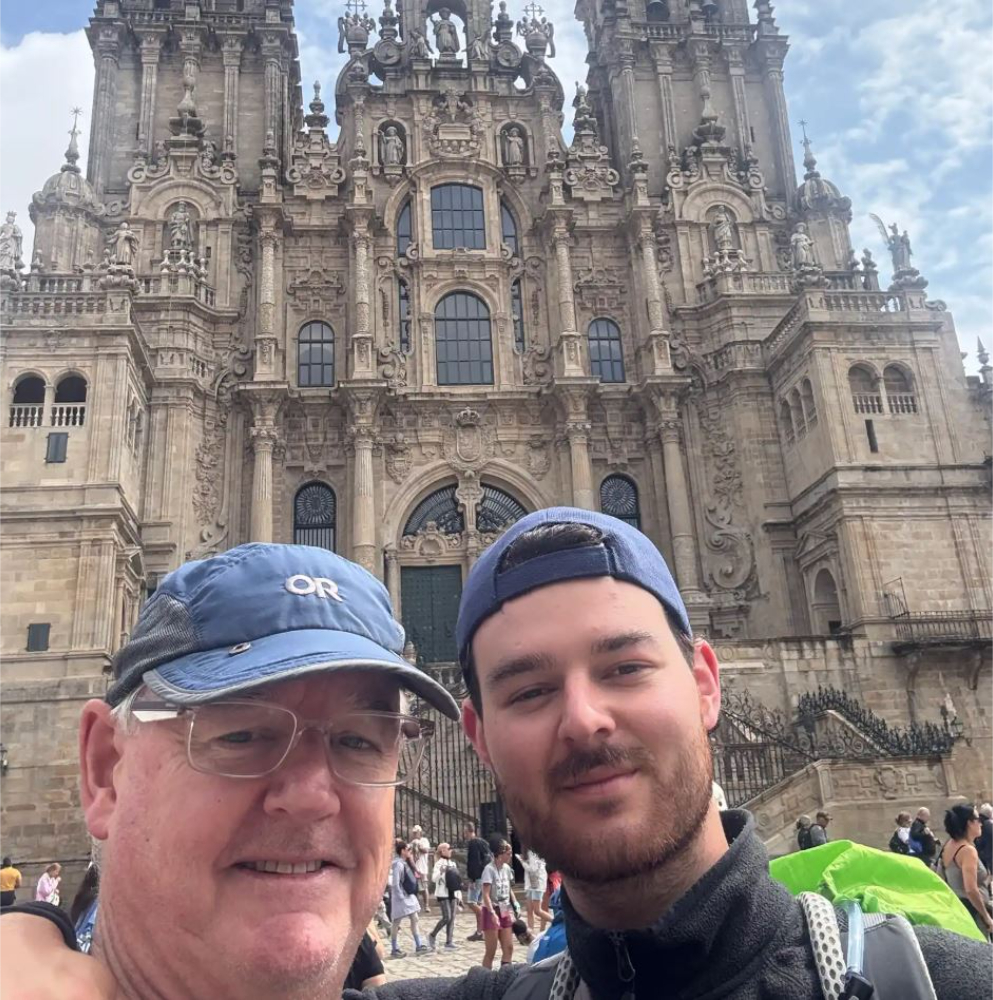
The Camino de Santiago is a network of ancient walking routes leading to the city of Santiago de Compostela in north-western Spain, where the remains of St James are believed to rest. Pilgrims have walked these routes for more than a thousand years.
Today, people walk the Camino for many different reasons.
Some are religious. Some are spiritual. Some are looking for adventure. Others walk to reset after burnout, illness, retirement, divorce or a major life change.
And many simply feel drawn to it without fully understanding why.
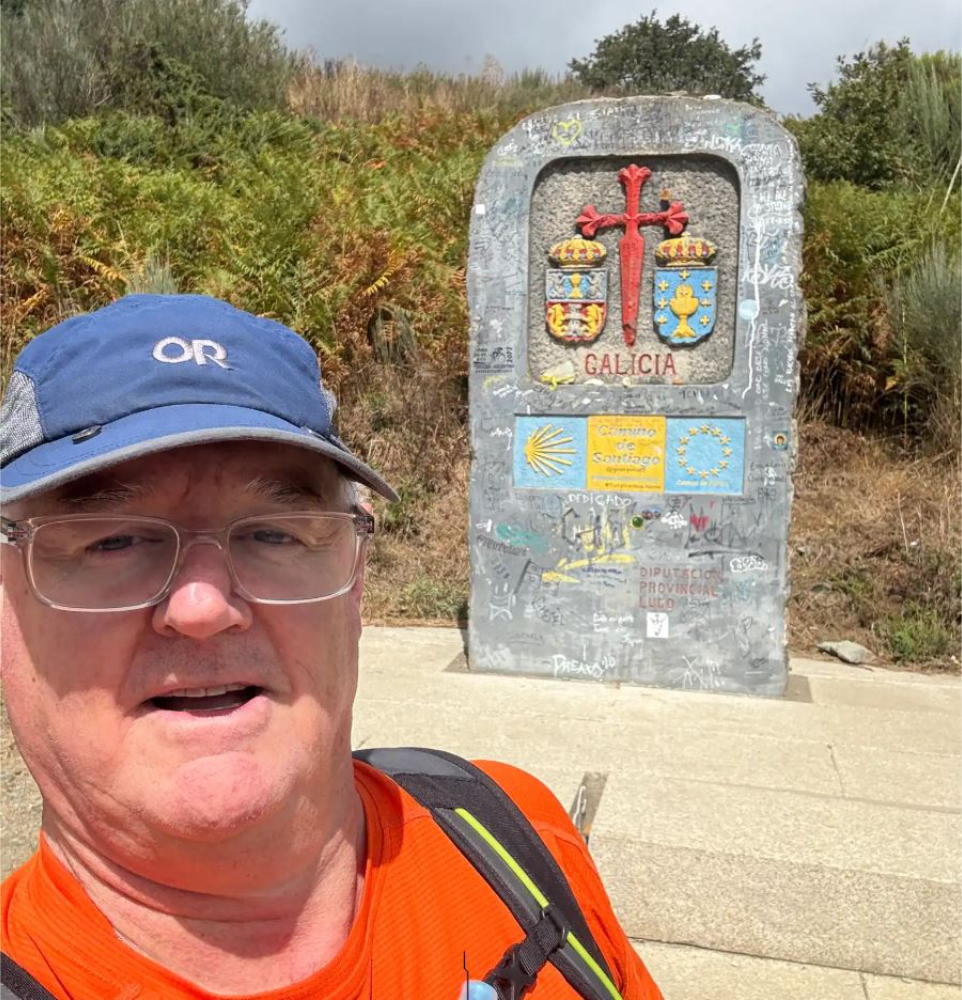
Ordinary People Doing Extraordinary Things
What surprises many first-time pilgrims is that ordinary people do this.
You do not need to be an elite athlete.
Every year, more than half a million people from all over the world walk the Camino. Among them are retirees, grandparents, solo travellers, couples, teachers, former executives and people who simply decided they wanted to challenge themselves before they became “too old”.
According to official Camino statistics, less than 10% walk the full 800-kilometre Camino Francés route across northern Spain. Most complete shorter sections, with around 60% walking the final 100 kilometres required to receive the official Compostela certificate.
Less than half now walk for religious reasons, and around 60% of pilgrims are aged over 45.
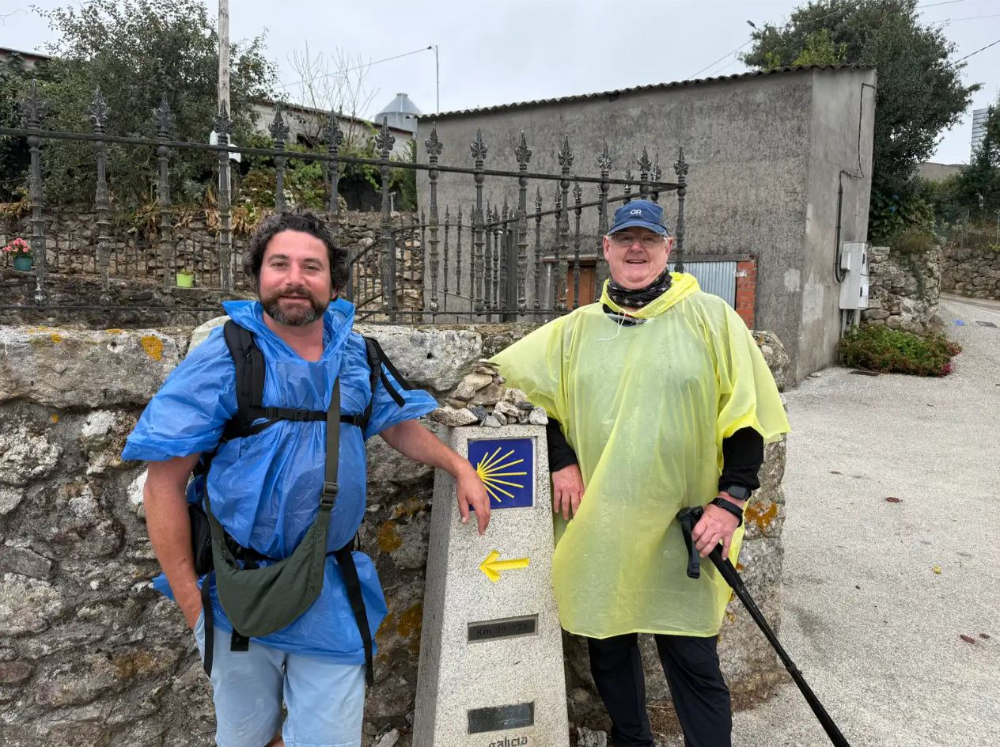
The Rhythm of Camino Life
A typical Camino day often begins before sunrise. Pilgrims quietly pack their bags, lace up their trail shoes and begin walking through villages, vineyards, forests, farmland and historic towns.
Along the way there are cafés, conversations, churches, aching feet, moments of silence and often unexpected friendships.
Then another town appears on the horizon. Another day completed. A cold beer, Rioja wine, or perhaps a “tinto de verano” — red wine with lemon squash, surprisingly refreshing — followed by tapas or regional specialities.
And then you do it again tomorrow.
There is something deeply human about that rhythm.
In a modern world filled with screens, noise and constant distraction, the Camino strips life back to something very simple:
Walk. Eat. Rest. Repeat.
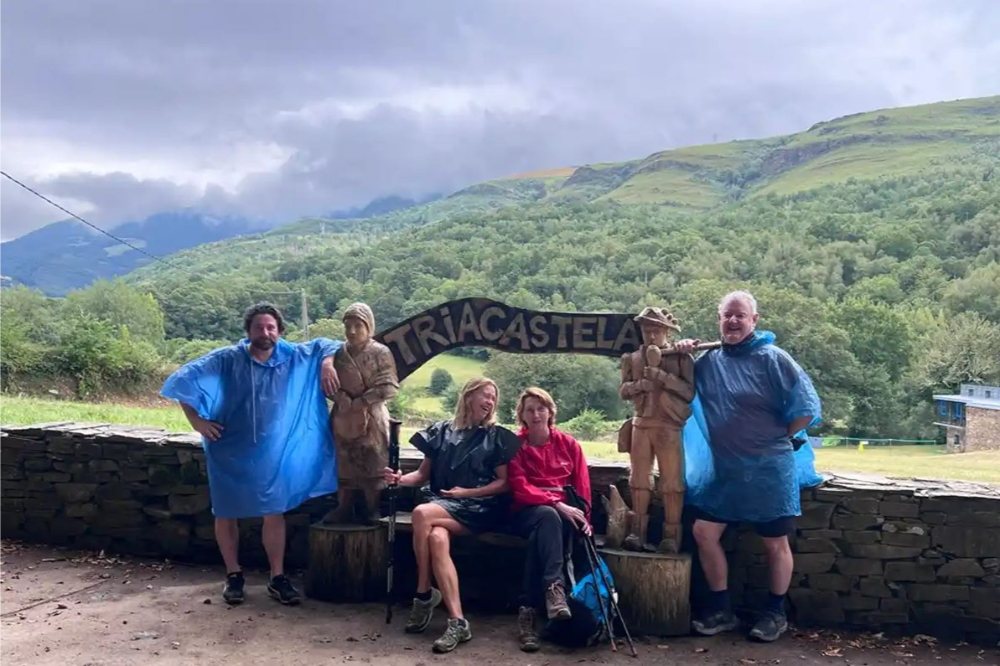
Why the Camino Resonates Later in Life
One of the reasons the Camino resonates so strongly with people later in life is that it often arrives during periods of transition.
That is what I found the first time.
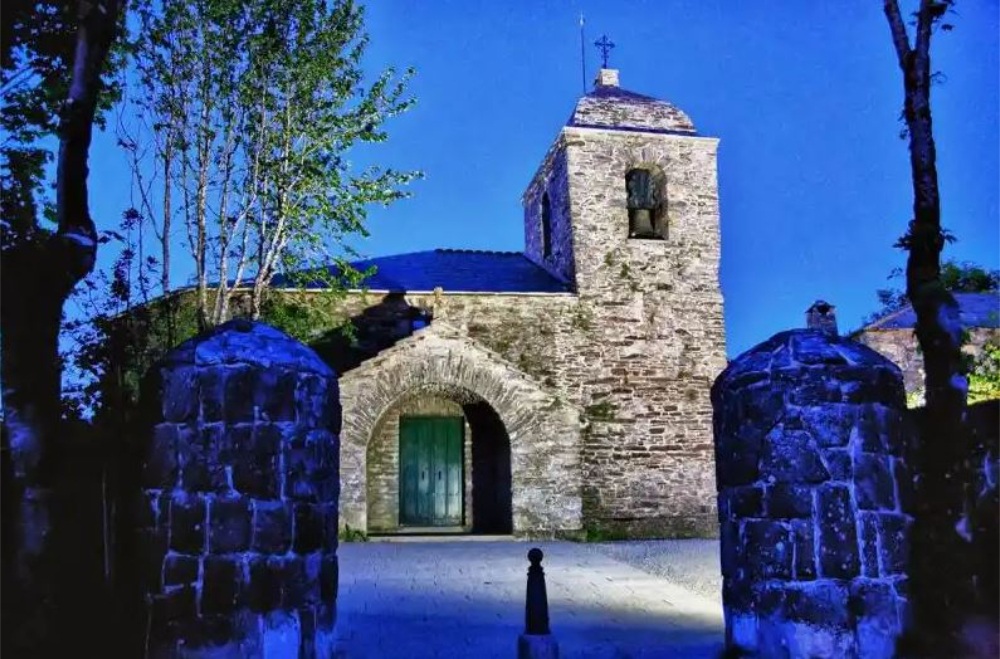
One afternoon, after days of walking and with around 150 kilometres left to Santiago, I was climbing into the tiny medieval mountain village of O Cebreiro. It had been a steep day, and mist was settling. I had terrible blisters and was utterly exhausted.
At one point, I genuinely wondered why on earth I had chosen to do this.
Then, almost out of nowhere, another pilgrim slowed beside me to ask how I was going. We spoke briefly before he smiled sympathetically and said:
“El Camino siempre provee.”
The Camino always provides.
It is a phrase often heard on the Camino and, while simple, it captures the spirit of the experience well. Not that the Camino makes life easy, but that people often discover they are capable of more than they expected.
For some, retirement brings freedom. For others, uncertainty. Walking day after day has a unique way of creating space for reflection.
Not because the Camino magically “fixes” people, but because long-distance walking slows life down enough for perspective to emerge naturally.
The Benefits Go Beyond Fitness
Interestingly, research is beginning to support what many pilgrims describe anecdotally. A 2021 multi-university study of 878 Camino pilgrims found statistically significant improvements in physical health, wellbeing and mental health, including benefits that continued after pilgrims returned home.
Many pilgrims describe becoming calmer and rediscovering confidence.
That may partly explain why so many people in their fifties, sixties and seventies continue to walk it. I recently exchanged messages with an 80-year-old Australian preparing to tackle the final 100 kilometres.
On the Camino, age matters less than consistency.
You regularly meet people in their seventies walking with enormous determination and quiet dignity. Some are rebuilding after illness or loss. Others are simply proving to themselves that life still contains challenge, growth and adventure.
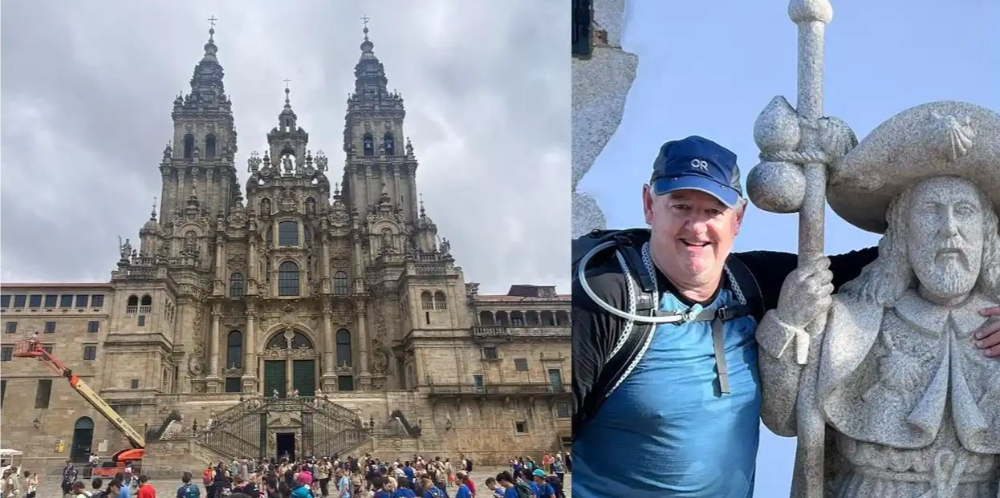
More Than Just a Walk
Importantly, the Camino is not only physical.
People often begin with practical concerns:
- Can I do it?
- What shoes do I need?
- How far will I walk each day?
- Will I get blisters?
But many return speaking less about distance and more about perspective, simplicity and the experience of slowing down.
In recent years, increasing numbers of Australians have become interested in the Camino not only as travel, but as a meaningful experience combining movement, reflection, history, culture and personal challenge.
For many, it becomes far more than “just a walk”.
It becomes a marker between one chapter of life and the next.
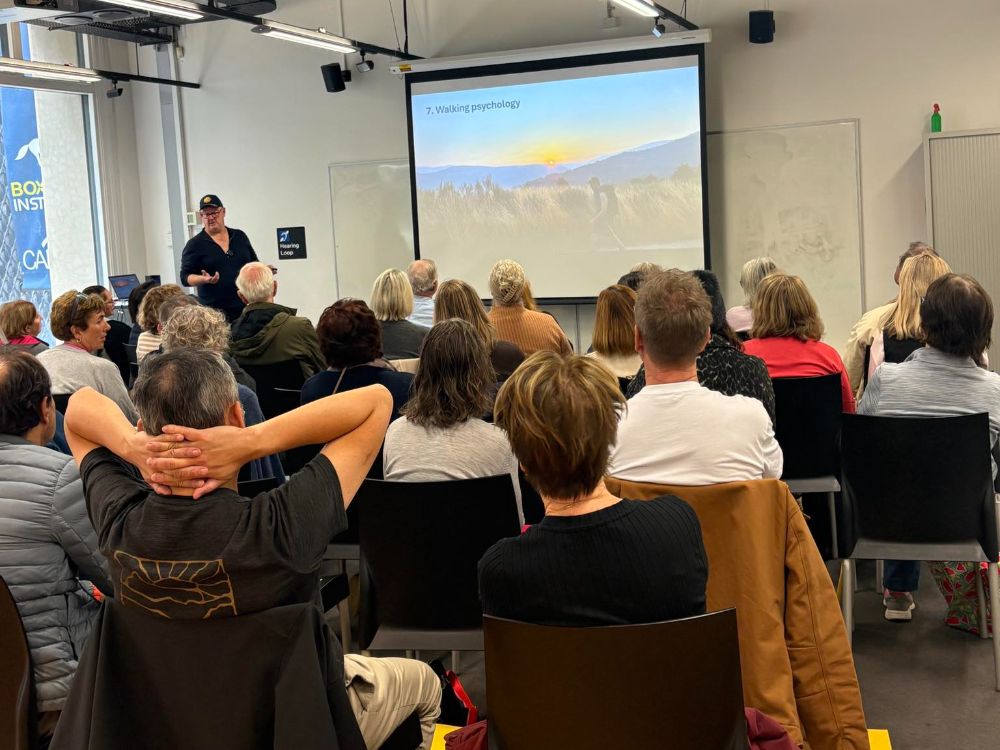
David Box is a Melbourne-based life coach, speaker and Camino pilgrim who runs public talks on preparing for and walking the Camino de Santiago. The next talks are at the Melbourne CBD City Library in the coming months, check dates here: https://events.humanitix.com/host/david-box
Heading off on your own Melbourne adventures? Join our Facebook Group and share your stories, ask questions and connect with others for further inspiration.