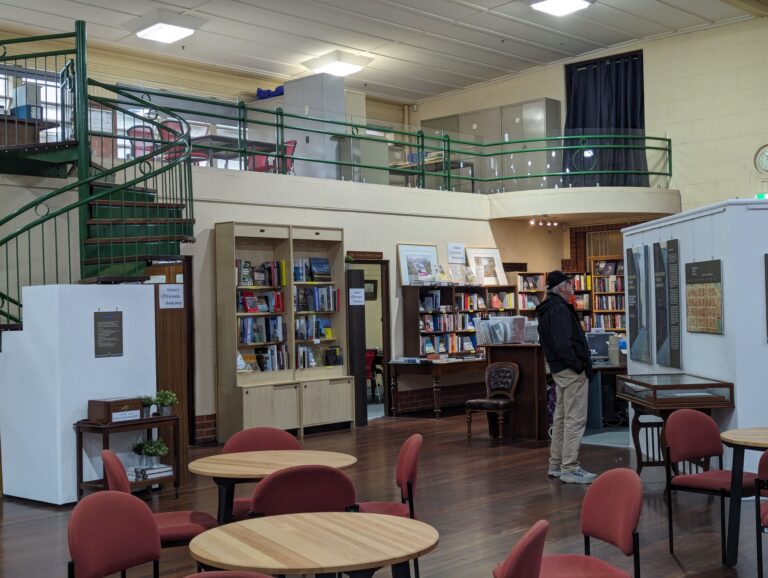

Plant Life: The Nature of Design at NGV Australia
Free entry, on now at Federation Square until 7 February 2027.
I heard this one was about plants and sustainable furniture, and it piqued my interest straight away. It’s also free, which meant I could slot it into a day out at Federation Square without feeling like I had to build a whole outing around it. A chair made from banksia seed pods. A bench seat built from 10,000-year-old river red gum. A jacket grown, not sewn, from mushroom leather. Plant Life: The Nature of Design at the Ian Potter Centre turns out to have a lot more in it than I expected.
Related reading: How to Make the Most of Your Visit to The Ian Potter Centre, NGV Australia
What is Plant Life about?
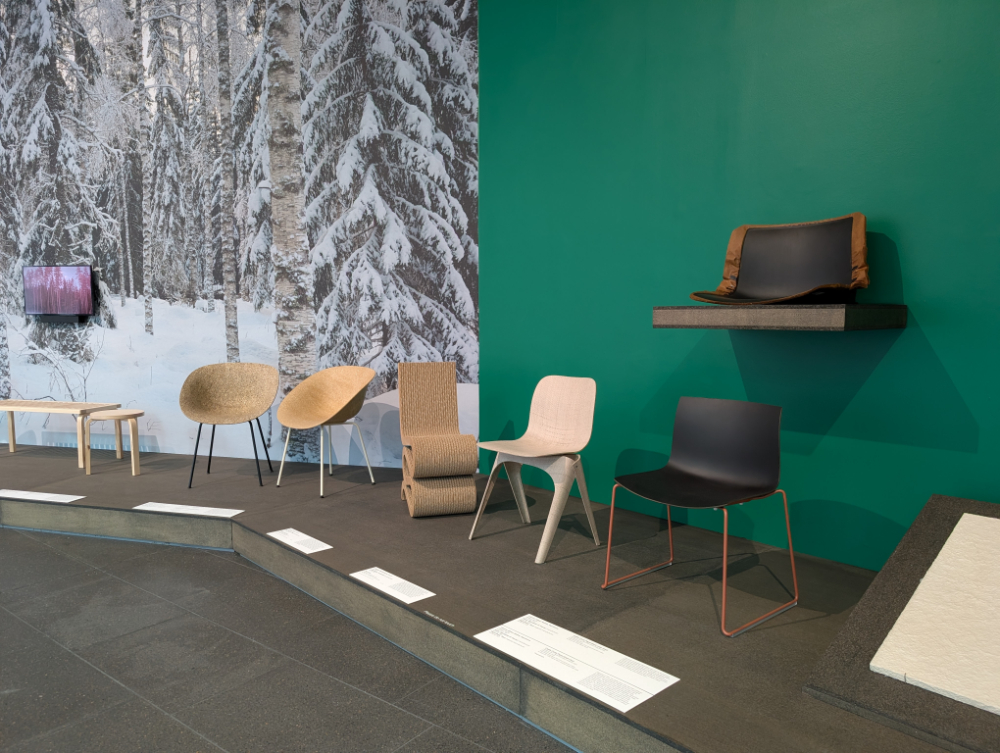
Plant Life: The Nature of Design traces humanity’s long relationship with plants as a building material, from ancestral craft traditions through to the mass production of the twentieth century and the biomaterial research happening right now. It brings together furniture, textiles, architecture, photography and film from the NGV Collection alongside new commissions and international loans, all organised loosely around one idea: plants have always been our most important design partner, and they may be again.
It’s a free exhibition, held in the NGV Design Studio on the Ground Level of the Ian Potter Centre, and it rewards a slow, unhurried walk. Budget at least 45 minutes if you want to read the labels properly.
A few pieces worth seeking out
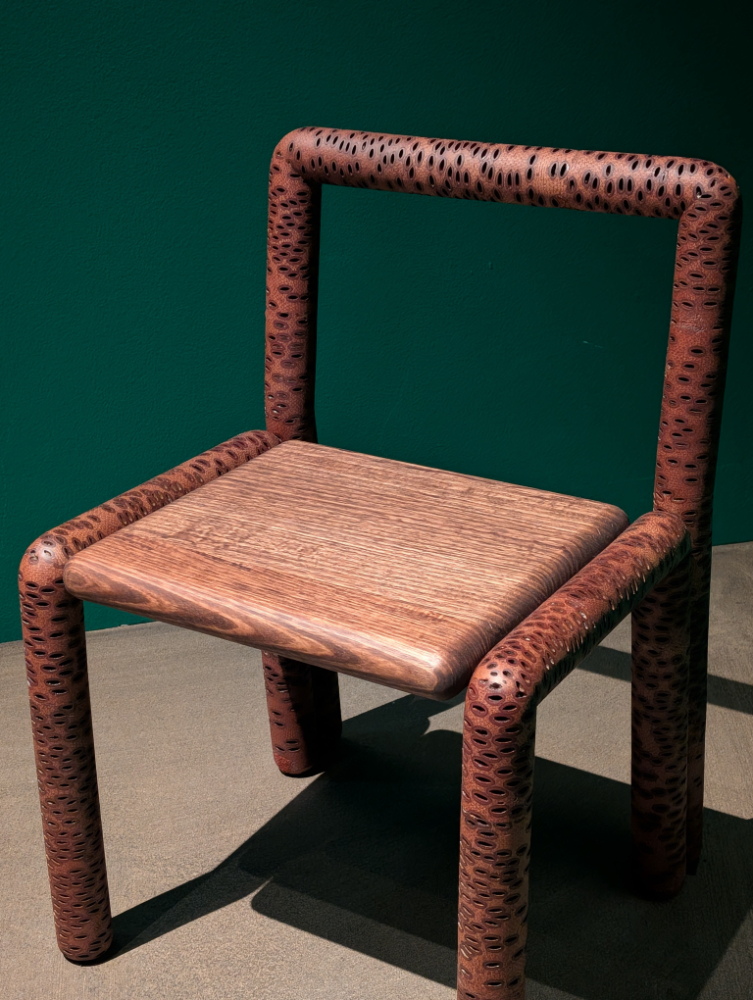
The Banksia chair
Made by designer Mark Lilly, this chair is built entirely from Banksia grandis seed pods, gathered rather than logged, from south-west Western Australia. Each pod is lathe-turned and joined to reveal its natural grain. It’s a quiet response to the 2024 ban on native timber logging in Western Australia, and a good reminder of how much material sits on the forest floor already.
The Nalgona chair 05
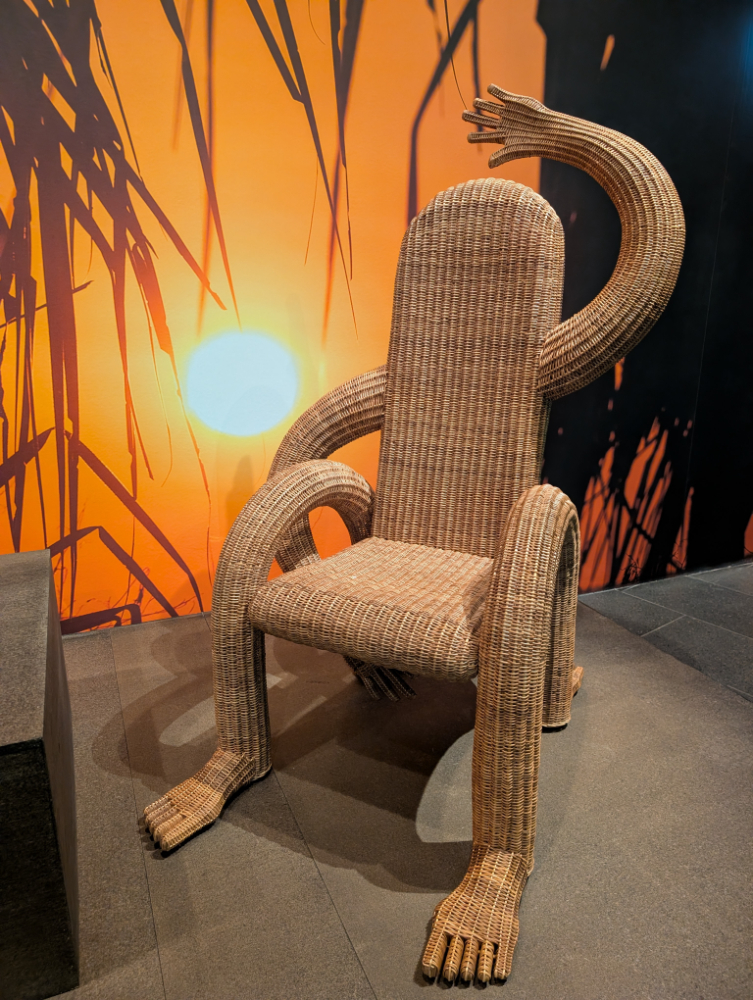
Designer Chris Wolston works with Colombian craftspeople to weave yaré, a vine harvested by Amazonian Indigenous communities, into striking anthropomorphic chairs. The vine’s own flexibility is what gives the figure its curve. It’s one of the pieces in the exhibition that makes you stop and look twice.
The Banet lounge chair
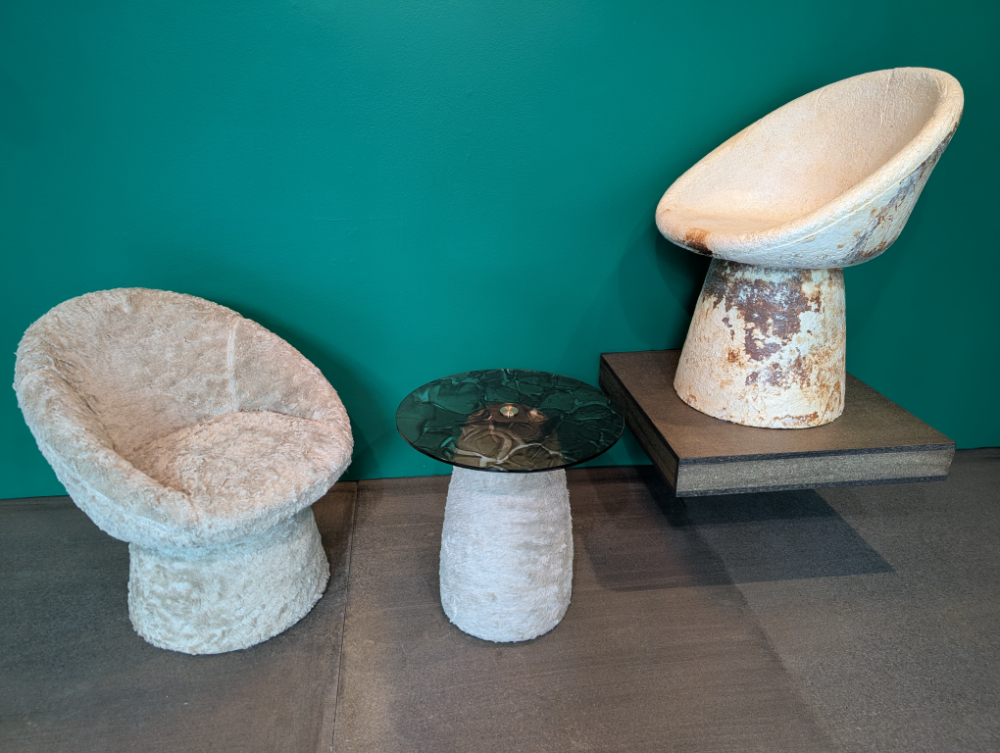
This one genuinely is grown rather than built. Its structural shell comes from mycelium, the root-like network of fungi, which colonises a hemp-fibre mould and binds it into a lightweight, load-bearing form. Nothing about it looks particularly futuristic until you read the label.
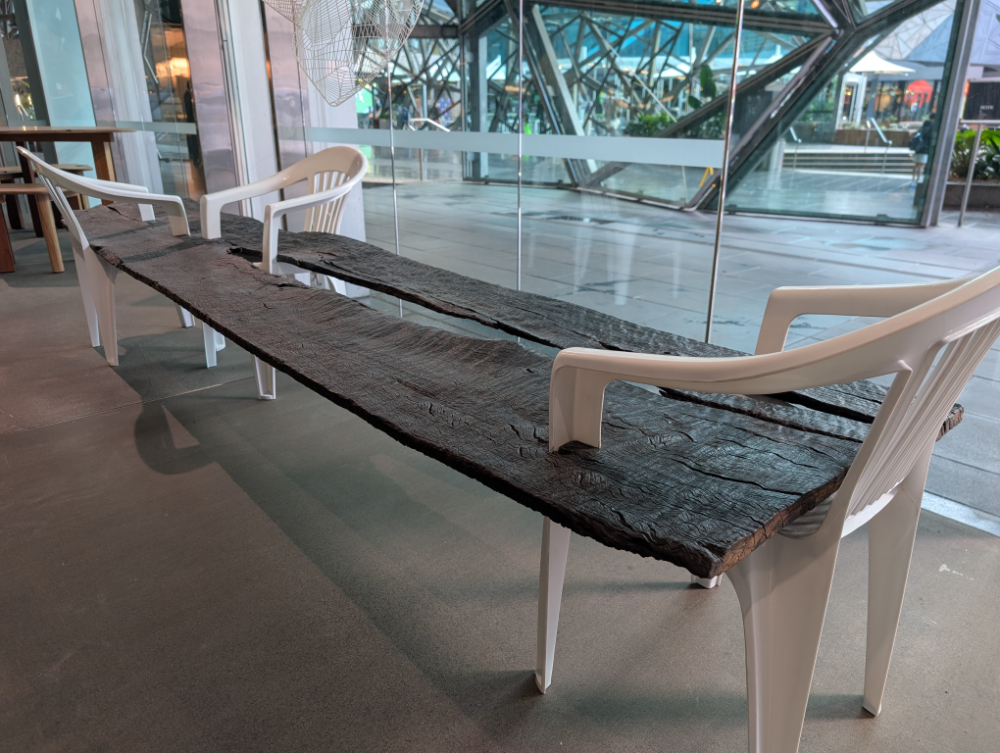
5:45pm 18/02/2020 bench seat
A slab of 10,000-year-old river red gum, excavated on Yorta Yorta Country, sits fused with mass-produced plastic Monobloc chairs. Designer Damien Wright puts ancient timber and everyday plastic side by side to make a point about the different timescales plants and plastics work on. One will still be here in another 10,000 years. Guess which.
The Mycelium wildfire jacket
Developed with RMIT University, this jacket prototype is made from mycelium leather and explores whether fungi-grown materials could one day protect firefighters. It’s a reminder that fungi are often the first responders to a landscape after fire, quietly getting on with decomposition and regrowth.
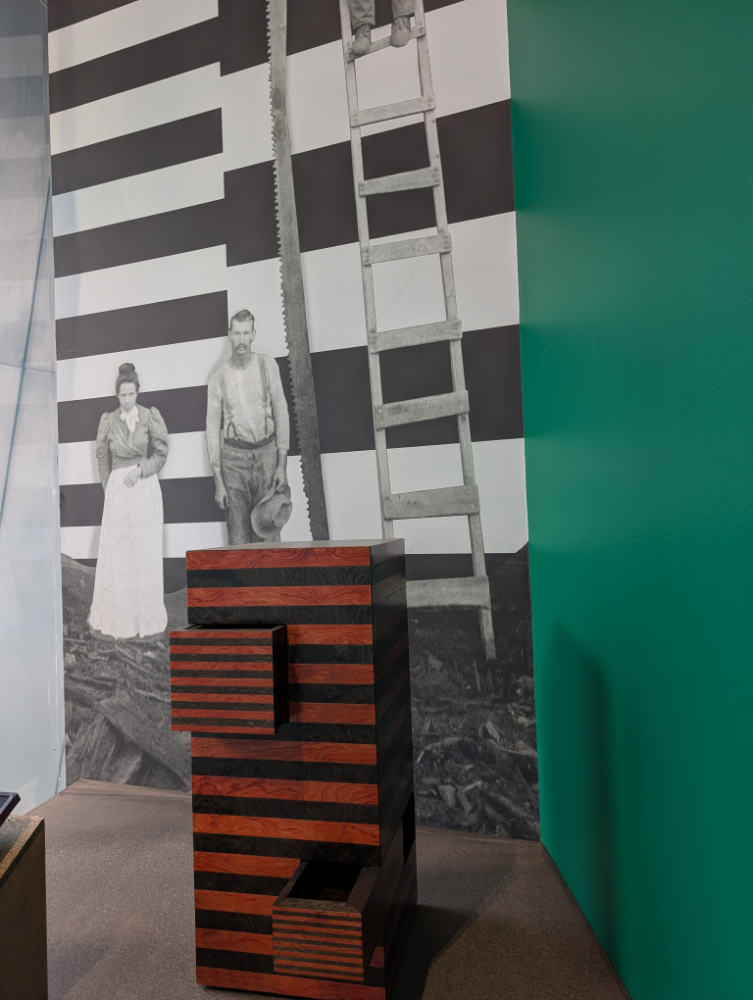
There’s plenty more throughout, including First Nations works from Australia and the Amazon exploring plants as kin rather than raw material, and a section on the colonial timber trade that doesn’t shy away from its costs.
Planning your visit
Dates: 28 August 2026 – 7 February 2027
Location: The Ian Potter Centre: NGV Australia, Federation Square, corner Flinders Street and Russell Street, Melbourne (Ground Level, NGV Design Studio)
Hours: Open daily, 10am–5pm
Entry: Free, no ticket required
Accessibility
The Ian Potter Centre has a street-level entrance with automatic doors, and lift access to every floor (there’s no down escalator, so factor that in if you’re navigating levels).
Wheelchairs are available for free hire from the Information Desk, and it’s worth booking one ahead by calling 03 8620 2222.
There are accessible toilets on every level, and a hearing loop is available in the Theatre (switch your hearing aid to the “T” setting). Guide dogs and accredited assistance dogs are welcome throughout the gallery.
Getting there
The Ian Potter Centre sits right on Federation Square, so it’s an easy walk from Flinders Street Station, with trams stopping along Flinders Street and Swanston Street close by. If you’re driving, the nearest parking is at Wilson Parking on Federation Square or the Arts Centre car park, a short walk across Princes Bridge.
Plant Life: The Nature of Design The Ian Potter Centre: NGV Australia, Federation Square, Melbourne
Heading off on your own Melbourne adventures? Join our Facebook Group and share your stories, ask questions and connect with others for further inspiration.