A Taste of Transformation: The Agrarian Kitchen in New Norfolk, Tasmania
The Agrarian Kitchen is already a drawcard for culinary tourism to Tasmania. After all, it was on the agenda for King Frederik and Queen Mary of Denmark, on their March 2026 visit to Australia.
My own visit coincided with the Dark Mofo festival, so The Agrarian Kitchen was in even higher demand from interstate and overseas. Fortunately, my Tasmanian friends had booked months in advance for our June visit.
For us, it was timed as a double birthday celebration, and we set aside a full day for our dining experience in New Norfolk, forty minutes north-west of Hobart along the Derwent River.
Transformation on show
This restaurant is a tribute to transformation. To simply describe it as a paddock-to-plate restaurant is to completely understate the amount of transformation that takes place here.
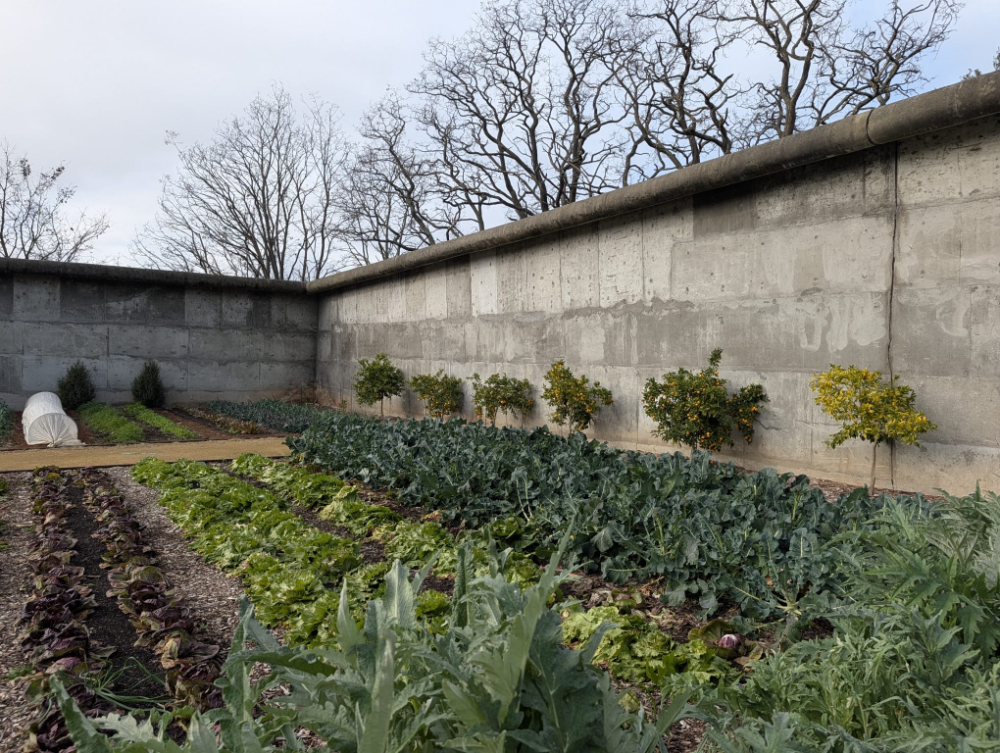
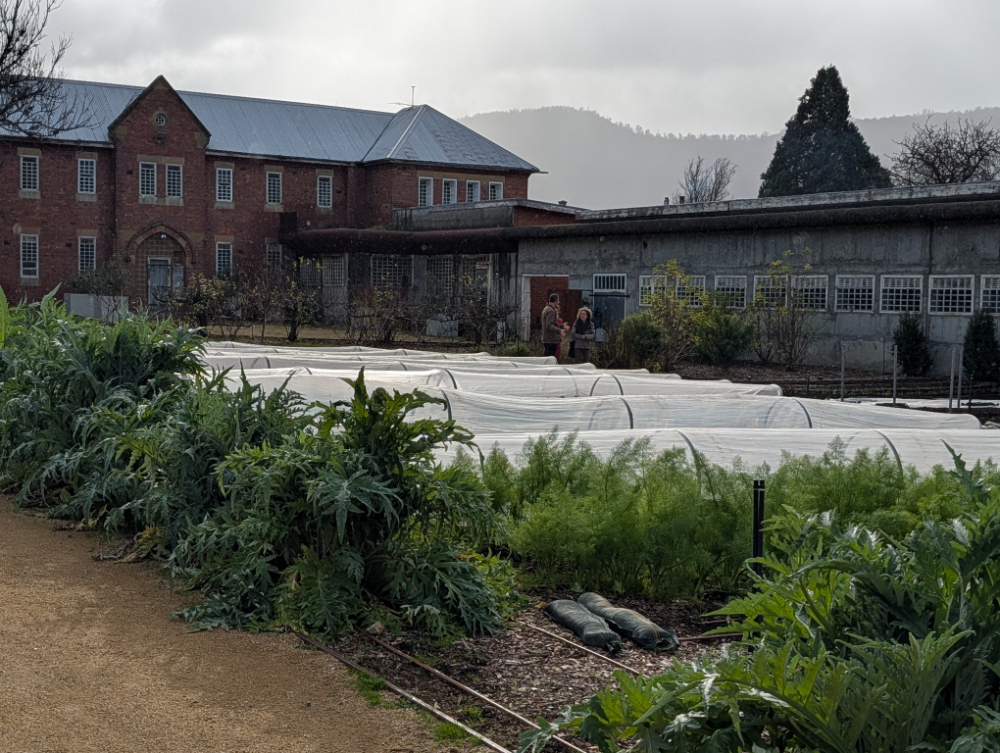
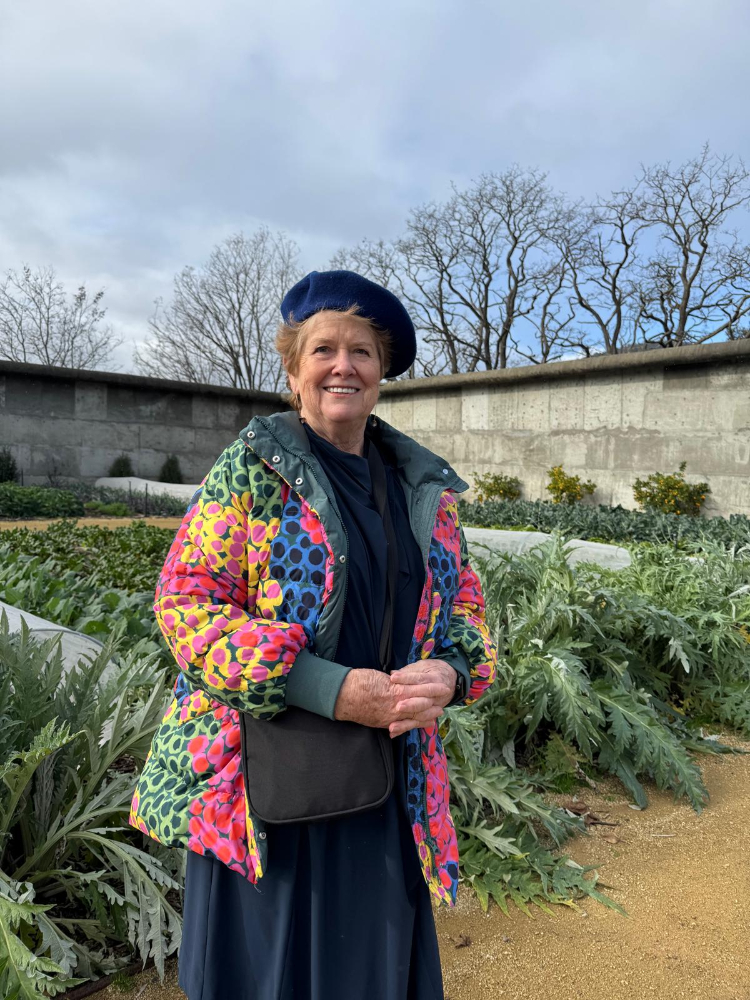
Before we even get to the food, consider the venue. The Agrarian Kitchen is situated at the site of a former mental asylum, Willow Court. The restaurant serves its plates in the Bronte Room, once a medical ward, while the paddock is a beautifully cared-for vegetable garden. It is walled in, providing protection, nurture and warmth to its plants. It is a re-purposed former exercise yard, where, sadly, the wall once served as a barrier between patients and the world.
The restaurant’s “paddock” goes beyond its walls, with supplementary produce sourced from other parts of Tasmania wherever possible. One waiter lamented the travel miles that coffee beans must travel to reach the restaurant. However, with the restaurant’s true philosophy of zero waste, even coffee grounds are transformed into dust to sprinkle onto a savoury or sweet plate.
Paddock to plate
What really matters to the diner is the transformation that takes place between the paddock and the plate. I’ve been to other restaurants describing themselves as paddock-to-plate restaurants, even one in New York, where the almost-raw fennel stalk from the “paddock” had scarcely seen any transformation.
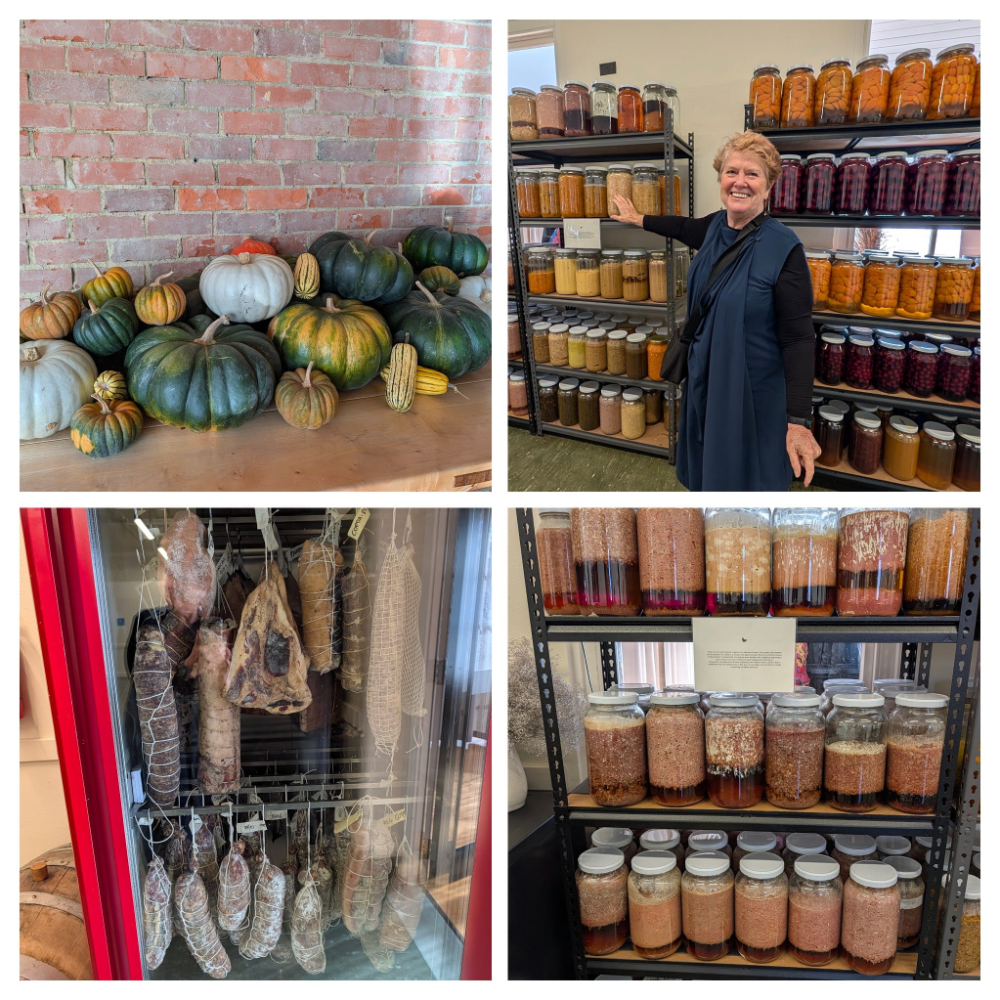
At The Agrarian Kitchen, not only do the taste sensations testify to complexity and care, but perhaps to metamorphosis and wizardry. I felt privy to the transformative processes as I peeked into the kitchen or entered the room, showcasing the preserves, cheeses, misos, garums, raw vegetables, and charcuterie.
The restaurant experience
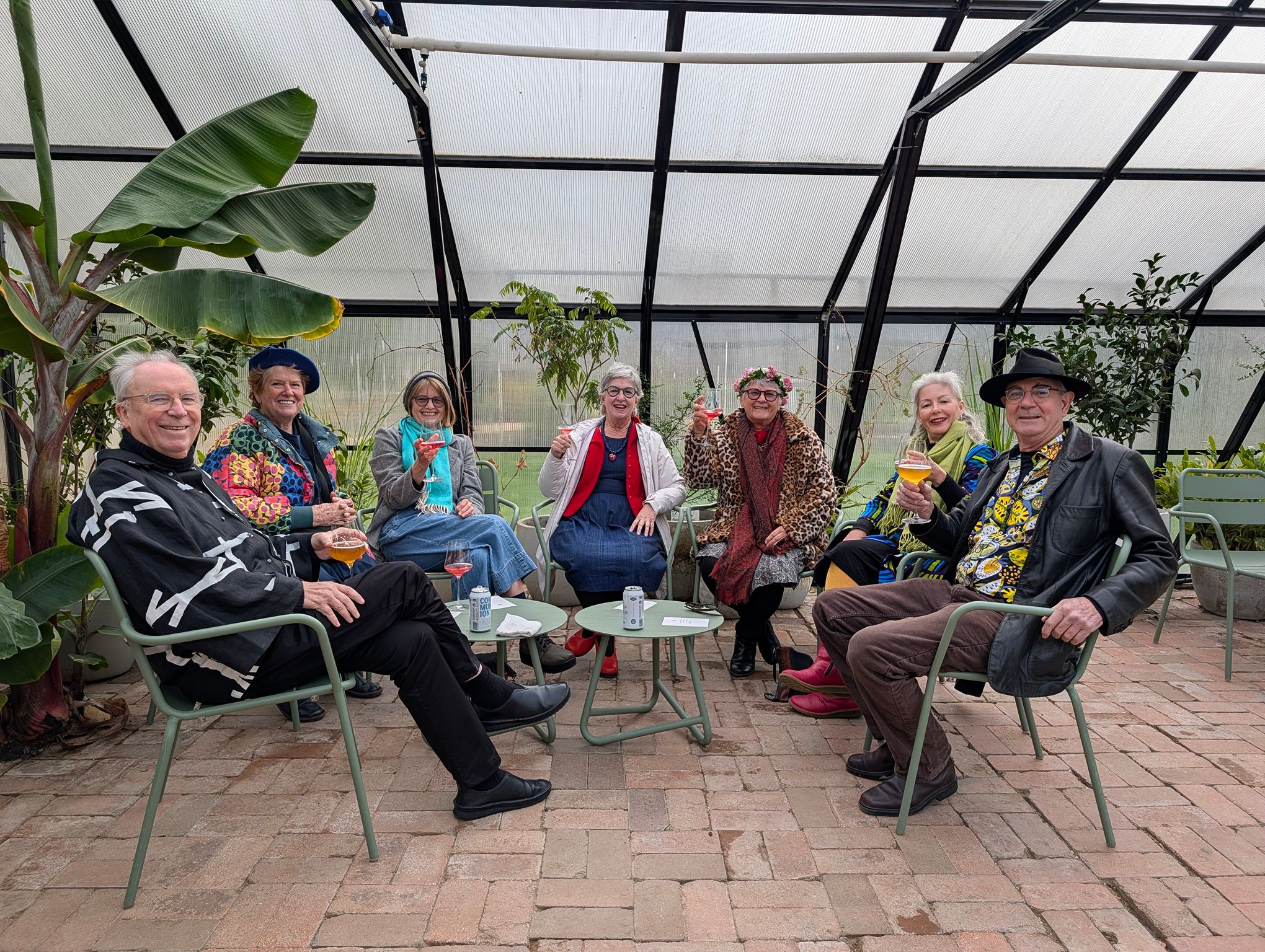
The aperitifs were served in the gardens’ conservatory, a light touch that was the interlude between our garden walk and the dining experience. By the time we took our seats in the dining room, and read the menu and the beverage lists, our eyes were wide open and our appetites ripe.
Apart from the usual wine list, there was also a long list of beverages of the non-alcoholic variety. Created from Tasmanian fruits and botanicals, they were celebratory in both their descriptions and tastes. How do these sound: “Blood plum, lapsang souchong + elderflower” or “Sencha, sudachi + yuzi kosho”?
In Tasmania, non-alcoholic “varietals” and “blends” seem to be a whole new beverage category.
For our lunch service, a delightful addition was the opportunity to partake of alcoholic pairings with each course, non-alcoholic pairings, or the restaurant’s selection from both. I chose the latter and it was an excellent choice.
The dining room was simple but suitable. It was fresh and unobtrusive and let us focus on the wonderful food and service.
Each course arrived with aplomb for our group of seven. Three waiters would emerge from the kitchen in an almost-perfect line, carrying our plated food with a style reminiscent of a catwalk show. The service was immaculate but friendly.
The food
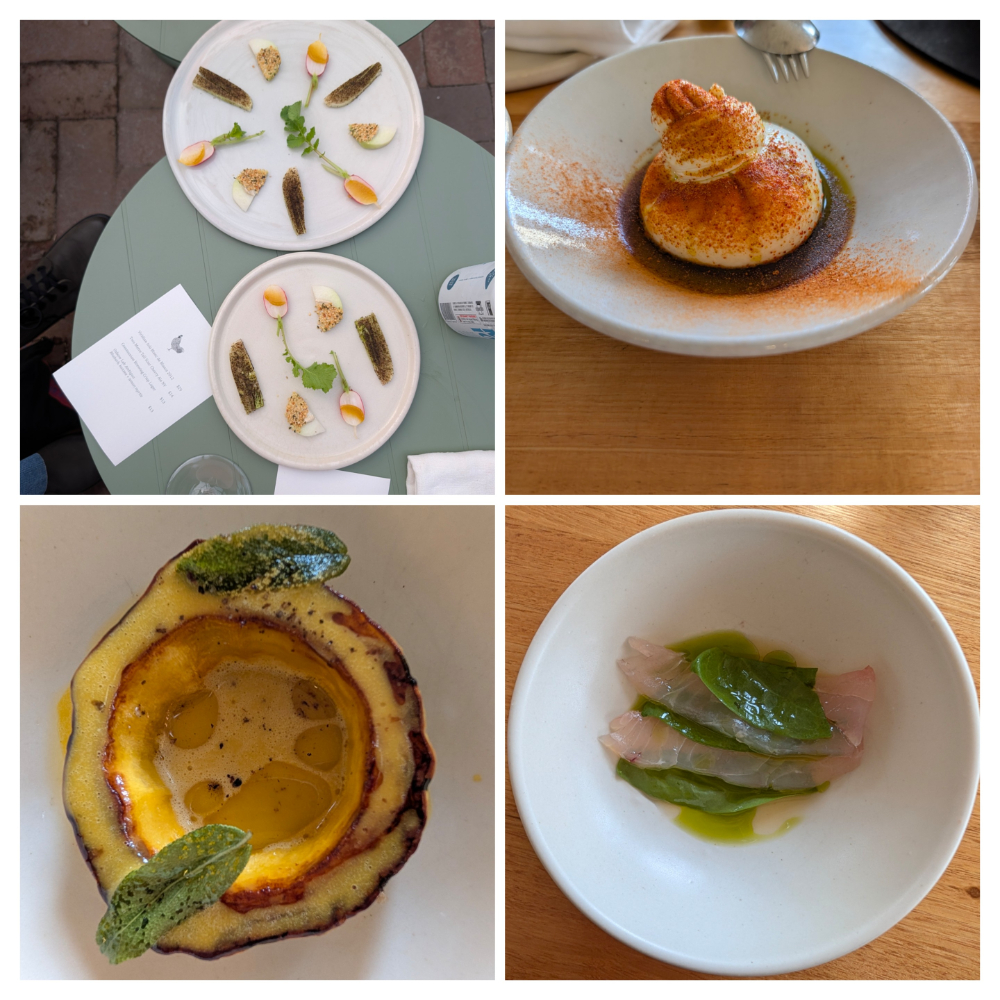
The menu confirmed for us that our eight-course meal would indeed be an absolute treat. The food itself took it to a next level.
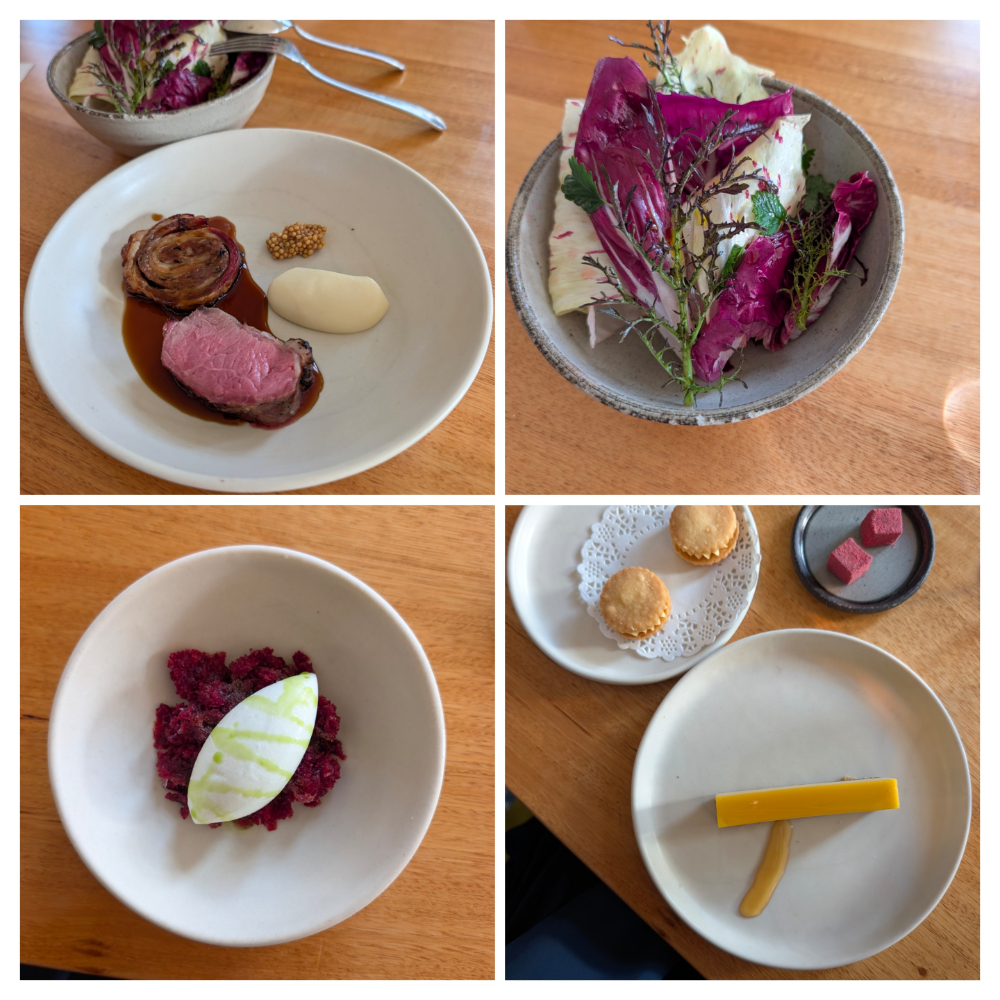
Take a seemingly simple dish of lamb with parsnip and mustard. The contrast in colour and texture was immediate to the eye and the palate. Two cuts of lamb were served, one pink, one seared, and both melted in the mouth. The parsnip was so finely pureed that it was like velvet. It was served in a small enough quantity to make sure I savoured every morsel.
Knowing that the mustard seeds were probably grown and fermented here, and blended with a house-made vinegar, added an element of reverence. Even the contrasting salad leaves and rhubarb vinaigrette would have had a detailed story to tell.
The simplicity and beauty of a course of delicata squash with miso and sage, was like a work of art, magically showing off the contrast of sage green and striped squash, dappled by the light soupy filling.
In each case, had I concentrated on the waiter’s long list of transformed ingredients, I would have even more magic secrets from the kitchen and the pantry. Thankfully, other insights into the restaurant’s wizardry can also be gained from a myriad of classes in cooking, gardening, charcuterie, cheese making and more.
After arguably the best lunch I have ever had, I’m currently deciding on my next visit. Will it be another dining experience or a hands-on class? Whatever it is, a return to The Agrarian Kitchen is a must on my next Tasmanian itinerary.
Fact file
- Website: The Agrarian Kitchen
- The 8 course menu was priced at $240 per head. The cost of beverage pairings was additional.
- There are other options to enjoy if the restaurant is not for you. You could also eat in the kiosk, take a garden tour, buy the cookbook, or attend a cooking class.
- And there is so much to do in New Norfolk.
- As The Agrarian Kitchen acknowledges, the original custodians and gardeners of the land were the muwinna and palawa people.
- Co-founders Rodney Dunn and Séverine Demanet started The Agrarian Kitchen in 2008 and are at the core of its success.
Our dining experience at The Agrarian Kitchen was at our own expense.
More articles by Marjie Courtis can be found at www.ozimage.com.au
Heading off on your own Melbourne adventures? Join our Facebook Group and share your stories, ask questions and connect with others for further inspiration.