A Practical Guide to Using Melbourne Airport
What to expect, how to prepare, and how to move through the airport with confidence
Airports can feel like a lot. The noise, the pace, the sense that everyone else knows exactly where they’re going. I’ve found that even confident travellers can feel slightly on edge walking into a busy terminal—especially when you’d simply prefer to grab a cocktail and get the holiday started.
The good news? Melbourne Airport is making steady progress when it comes to accessibility and passenger support. It was recently recognised as Australia’s Capital City Airport of the Year, with particular praise for its focus on inclusive travel.
With a bit of preparation—and a clearer idea of what to expect—it’s entirely manageable. Here’s what we’ve learned so far.
Navigating Melbourne Tullamarine Airport
The terminals
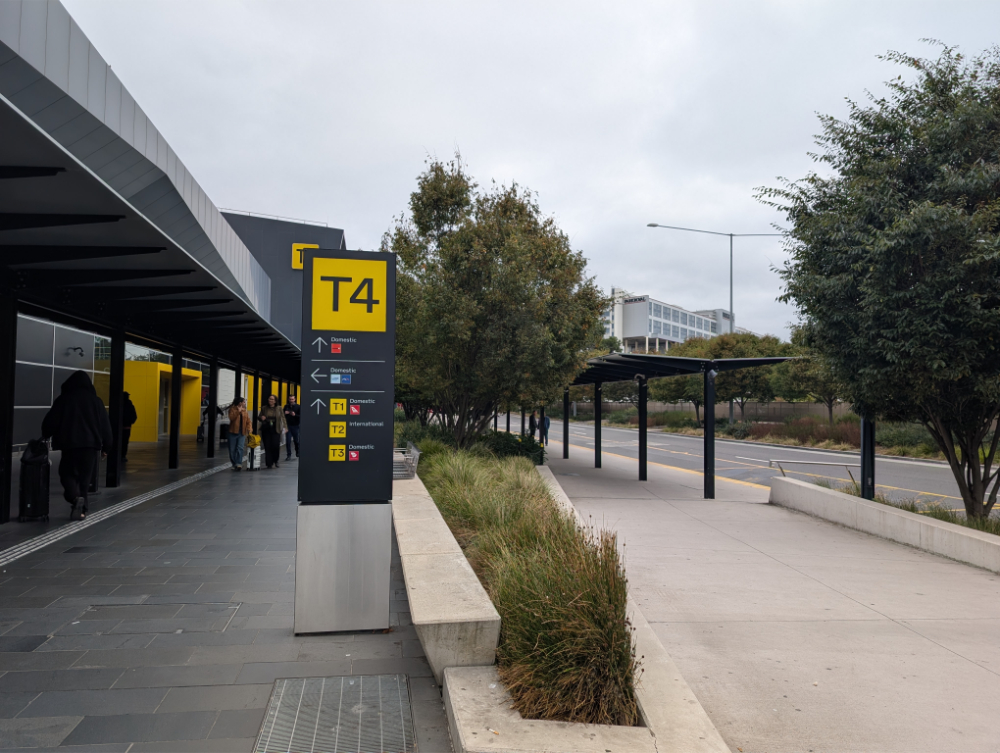
Melbourne Airport has four terminals, all within walking distance of each other. It sounds simple, but distances can be longer than expected—especially if you prefer not to rush.
- Terminal 1 – Qantas domestic
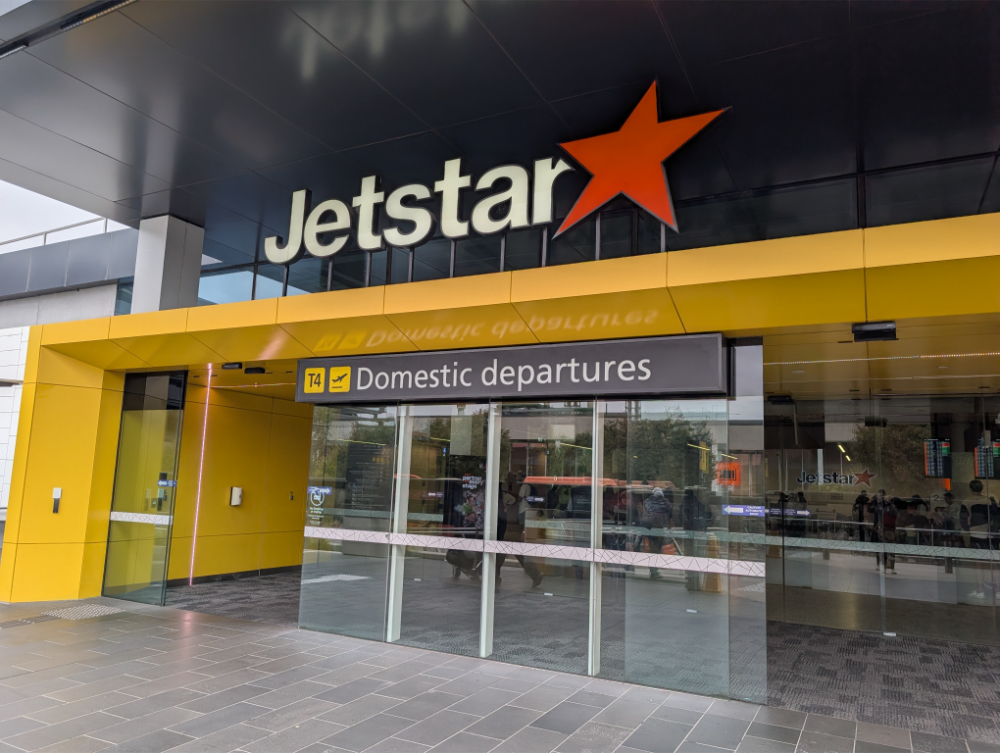
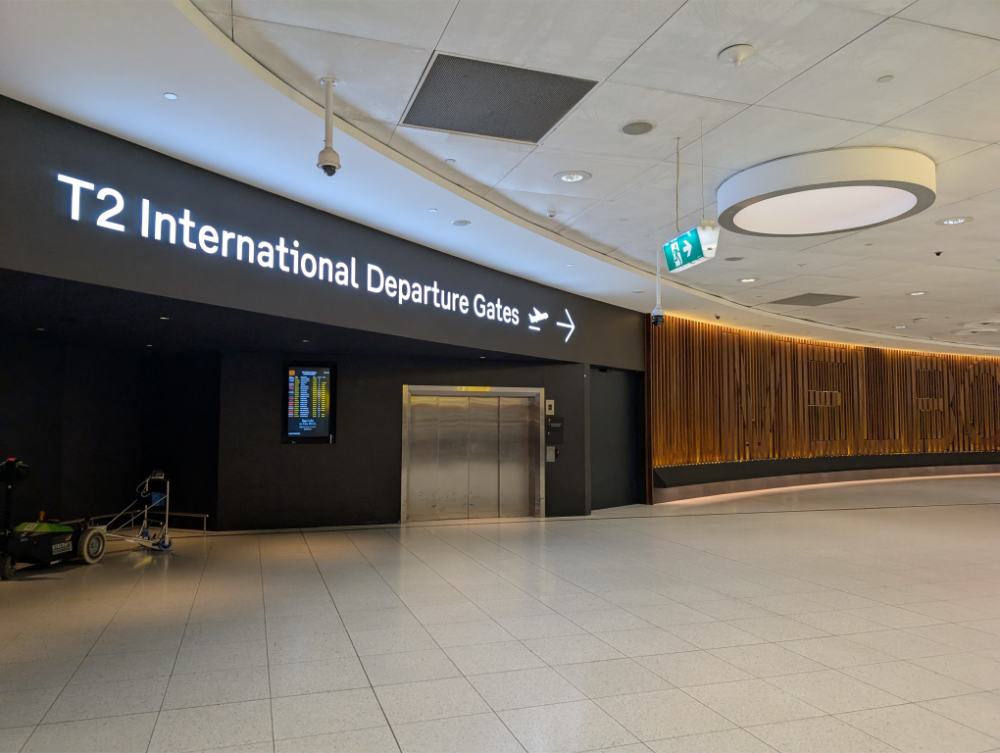
- Terminal 2 – all international flights
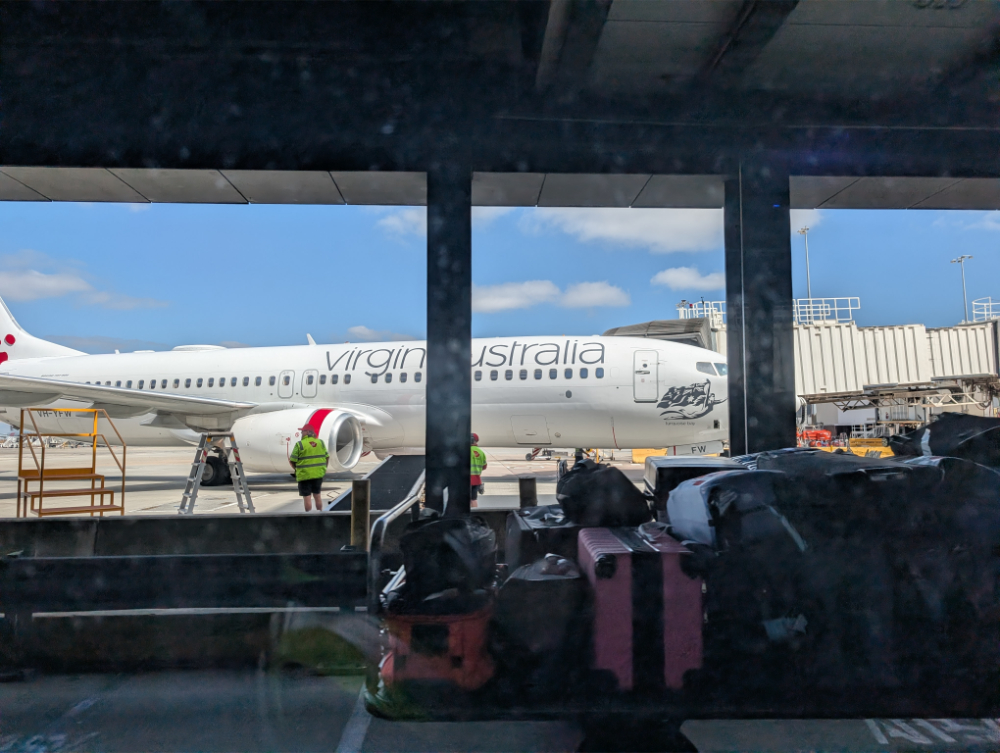
- Terminal 3 – Virgin Australia
- Terminal 4 – Jetstar and other domestic airlines
Everything is connected, but it’s worth allowing extra time to move between terminals, particularly during busy periods.
Flying Domestic: what it’s really like
Domestic travel is generally straightforward—but not always quick.
Once you’ve checked in or dropped your bag, it’s simply a matter of moving through security and on to your gate. Mornings tend to be the busiest, and that’s when things can feel a little rushed.
I’ve found the simplest approach is also the best: arrive earlier than you think you need to. It takes the pressure off completely.
There’s seating throughout the terminals, although you may need to wander slightly away from the main gate areas to find a quieter spot. Terminal 4, in particular, can involve more walking, so it’s worth factoring that in if you prefer a slower pace.
Flying International: take it step by step
The international terminal is where things feel more involved—but also where preparation really pays off.
From check-in, you’ll move through security and passport control before reaching departures. Each step is clearly marked, but queues are common, particularly during peak periods.
Allowing at least three hours before departure gives you breathing room. You can move steadily, rather than feeling rushed, and that changes the whole experience.
Once through, the terminal opens up with plenty of places to sit, eat, and regroup before your flight.
Self-serve check-in: don’t let it put you off
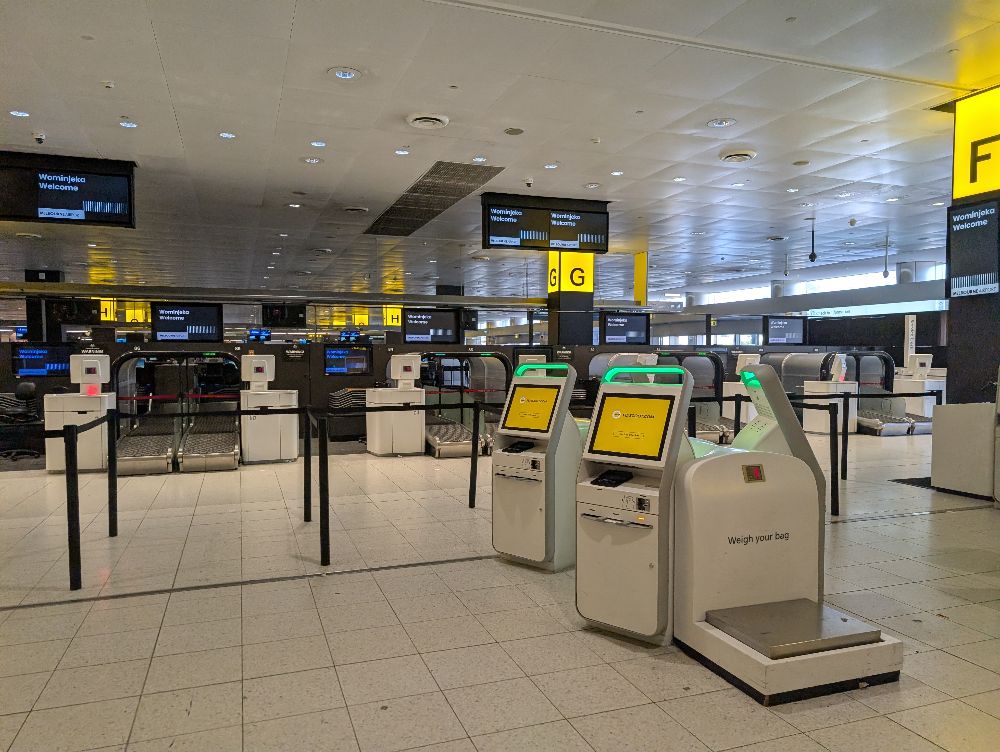
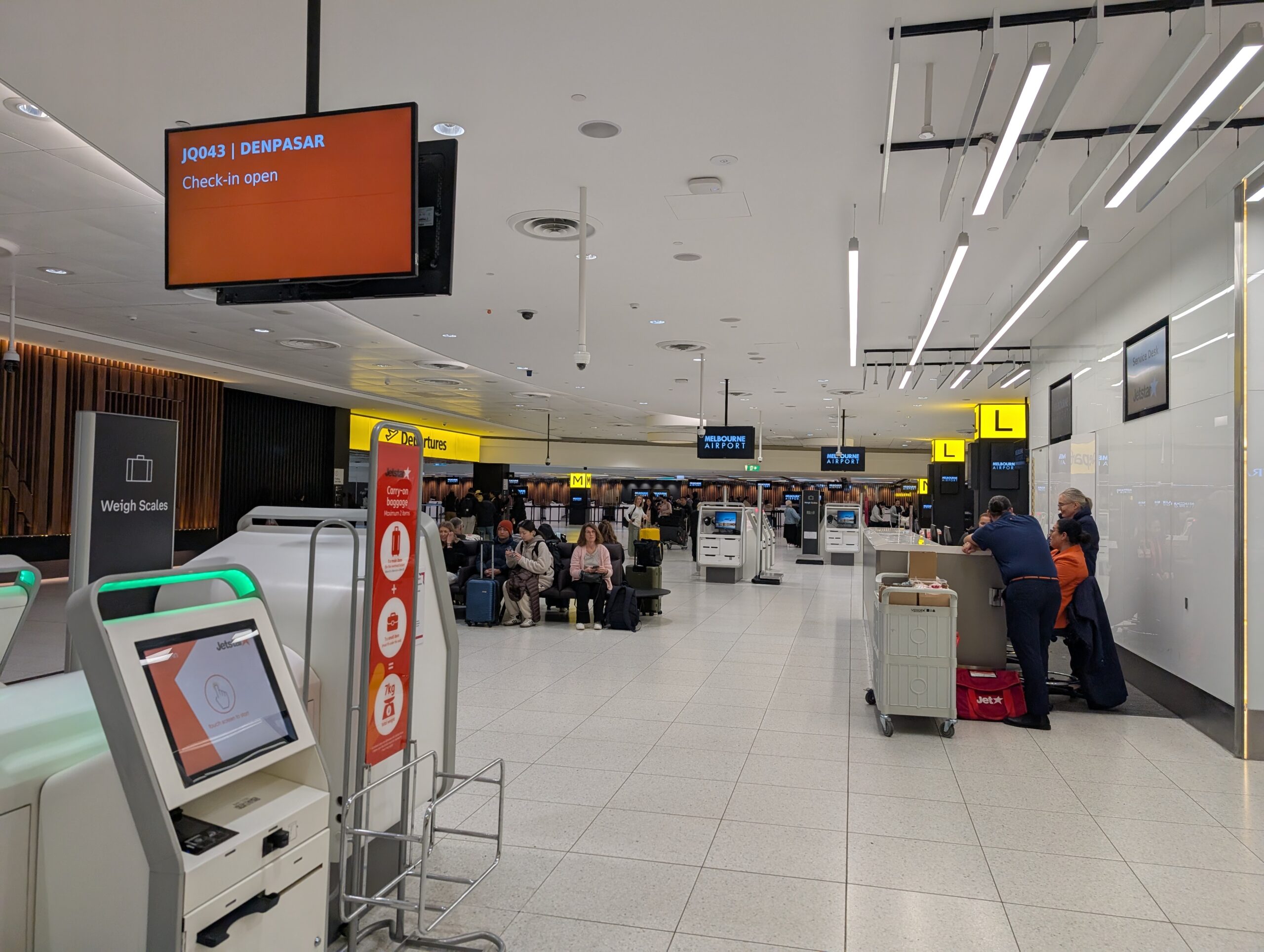
Self-service kiosks can look a bit daunting at first. Rows of screens, people tapping away confidently—it’s easy to feel like everyone else knows what they’re doing.
The reality is, most people are figuring it out as they go.
If you’ve checked in online, you may not need a kiosk at all. If you do, the process is usually straightforward—scan your boarding pass or enter your details and follow the prompts.
And you’re not on your own. Airline staff are typically nearby and quick to step in if needed. If you’d rather, you can always head to a staffed counter. It might take a little longer, but it can feel more comfortable—especially at the start of your journey.
A few small things that make a big difference
Security is more streamlined than it used to be. In most cases, you can now leave laptops and phones in your bag, which makes the process far less fiddly. You’ll still need to remove jackets and empty your pockets, but overall it’s simpler than many expect.
For international flights, liquids are still the main thing to watch. Anything over 100ml won’t make it through, so it’s worth checking your bag before you leave home. Larger quantities of powders may also need to be separated.
If you have a medical device or use mobility aids, it’s absolutely fine to let staff know before screening—they’re generally very accommodating.
One tip many people don’t realise: if you’ve been shopping in Australia before heading overseas, you may be able to claim back GST through the Tourist Refund Scheme, located just after security.
You’ll also find practical extras throughout Terminal 2, including currency exchange and mobile providers if you need a SIM before you travel. There’s also a Brunetti’s once you’re through security!
From Our Contributors: Tips for Melbourne Airport
One of the best ways to feel more confident at the airport is to learn from others who’ve done it many times before. Here are a few simple habits from our contributors.
Marjie: stay organised and take your time
Marjie keeps a running packing list on her phone, adding trip-specific items well in advance. As she packs, she ticks everything off and keeps track of how many bags she has, so nothing gets left behind.
She also builds in time. Rather than cutting it fine, she arrives early enough to get through formalities and then enjoy a quiet drink or snack before boarding—turning waiting time into something to look forward to.
At security, she keeps a mental count of her belongings as they go into trays and checks again on the other side. And when thingsñ feel confusing—like finding the right check-in counter—she pauses, reads carefully, and moves with purpose.
Nadine: make the airport work for you
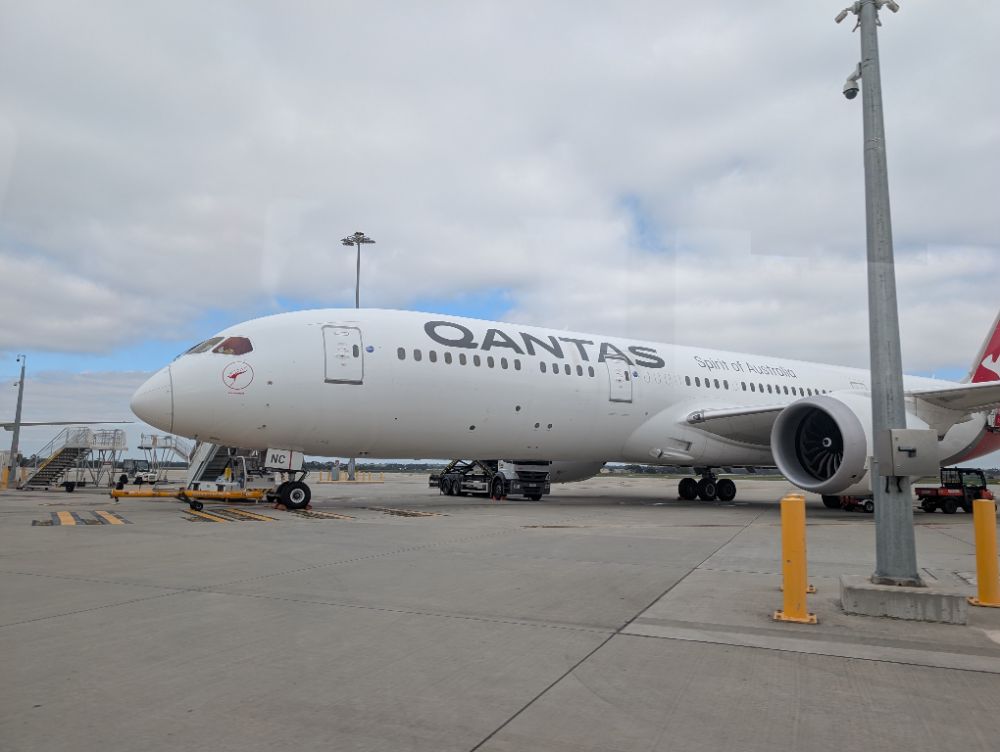
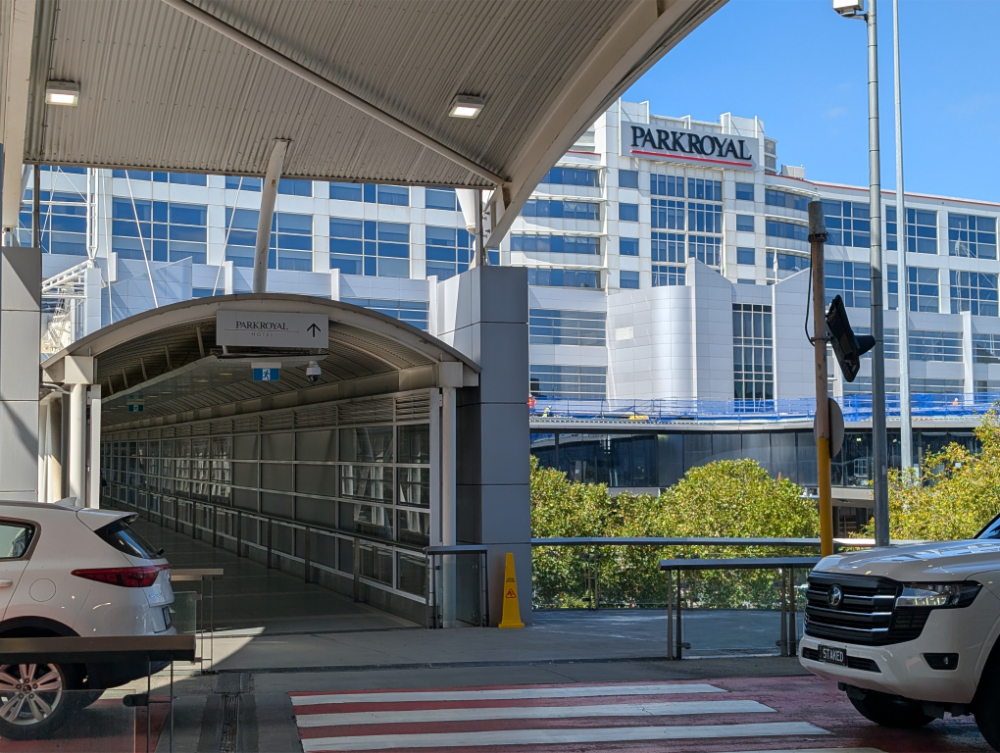
After nearly missing a flight, Nadine now treats extra time as essential. For early flights, she’s found that staying at PARKROYAL Melbourne Airport can completely change the experience—turning a rushed start into a calm one.
She also points out that airports are much larger than they used to be. Distances between check-in, security, and gates can be significant, so pacing yourself matters.
Most importantly, she encourages travellers not to hesitate when it comes to asking for help. Airport assistance isn’t just for those who can’t walk—it’s there for anyone who may find long distances or extended time on their feet challenging.
Sometimes, it’s the small things—like knowing where you can sit down for a proper meal or take a breather—that make the biggest difference.
Read Nadine’s review: A Stress-Free Start to Your Journey: My Stay at PARKROYAL Melbourne Airport Hotel

Parking at Melbourne Airport
Plan ahead and keep it simple
If you’re driving to Melbourne Airport, a bit of forward planning can make a big difference.
There are several on-site parking options, from the terminal car parks (the easiest, but usually the most expensive) through to the value car park (long term), which is more affordable but requires a shuttle bus to the terminals. Booking online in advance is strongly recommended, particularly during busy periods.
That said, parking isn’t always the most relaxing way to start a trip. With ongoing construction and rising costs, it can feel more complicated than it used to be.
Because of this, many travellers are now looking at alternatives.
Off-site parking: a middle ground
If you still want to drive but avoid airport prices, off-site services like Andrews Airport Parking are a popular option.
You park nearby and take a short shuttle to the terminal. It does add an extra step, but it can be significantly more affordable for longer trips—and staff usually assist with luggage.
Other ways of getting to Melbourne Airport
SkyBus: the easiest city option
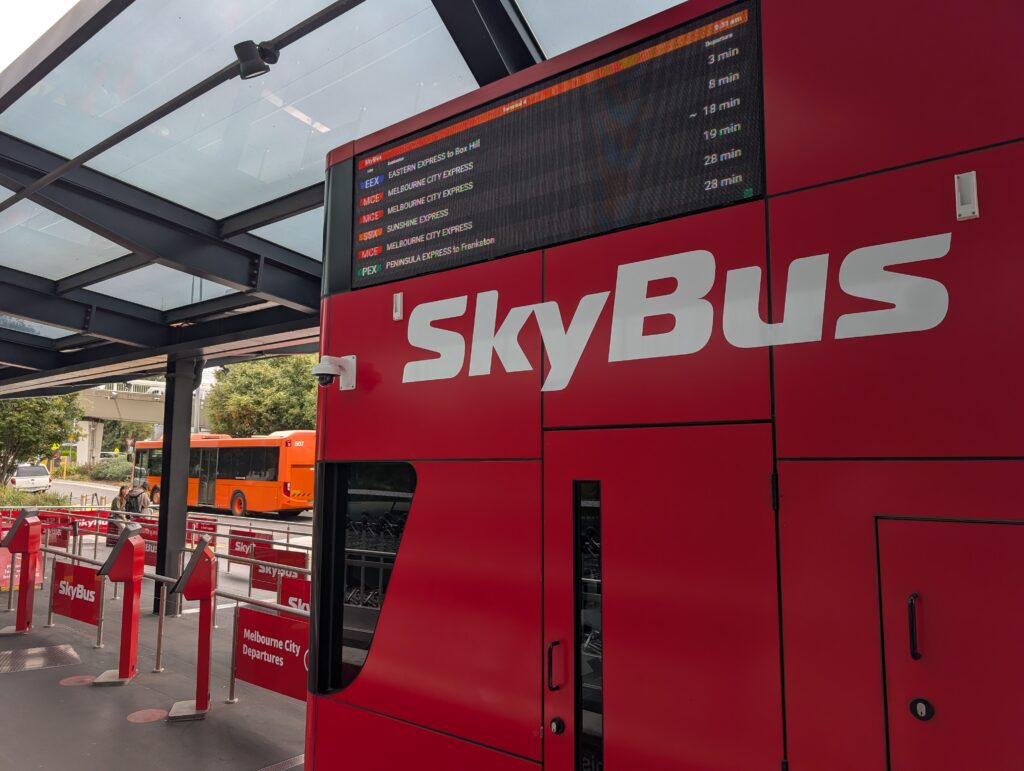
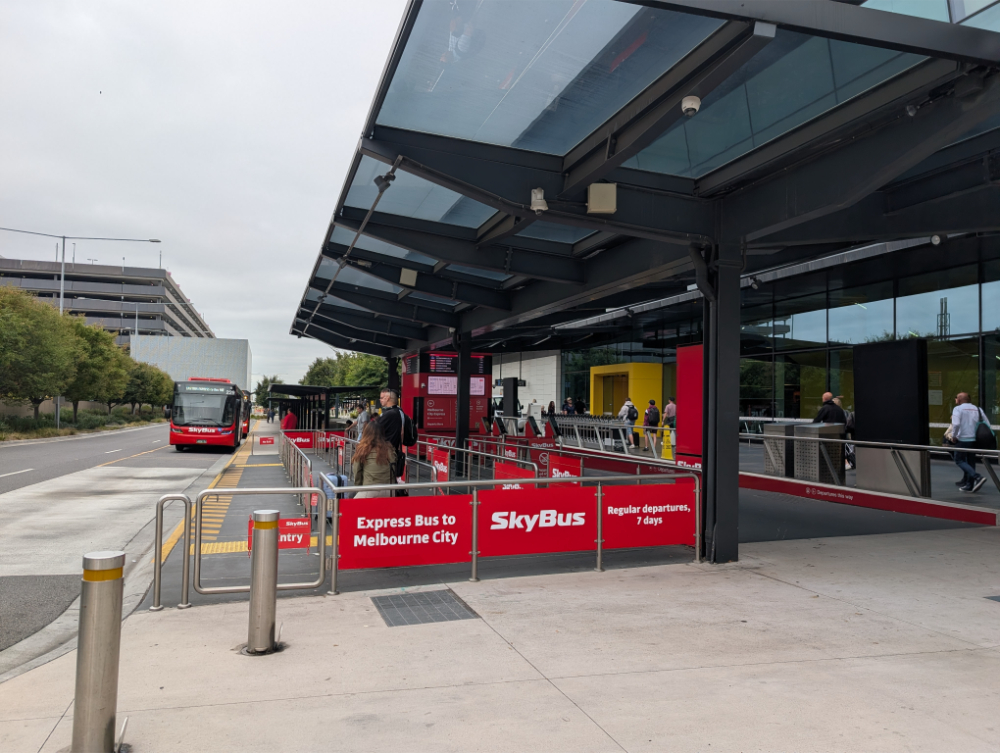
If you’d prefer to avoid driving altogether, SkyBus Melbourne City Express is one of the simplest and most reliable ways to get to the airport.It runs frequently between Southern Cross Station and the terminals, with departures every 10–15 minutes for most of the day.
You can simply turn up and go—no need to book ahead. There’s plenty of space for luggage, and you’re dropped right at the terminal doors.
For many travellers, it removes the stress completely. No traffic, no parking, no wondering how far you’ll need to walk. More recently, SkyBus has expanded its services.
Coming from the Eastern Suburbs
If you’re based on Melbourne’s east, you no longer need to go into the city first.
The newer SkyBus Eastern Express provides a direct airport connection from key eastern hubs including Box Hill, Doncaster and Watsonia.
It’s a straightforward option—park or get dropped at one of these locations, then travel directly to the airport without navigating the CBD.
For many people, this removes one of the more tiring parts of the journey: changing trains or hauling luggage through busy city stations.
If you’re further out (for example along the Belgrave, Lilydale or Glen Waverley lines), a simple approach is to take the train into Box Hill and connect to the Eastern Express from there.
Another lesser-known option is the SkyBus Peninsula Express, which runs between the airport and suburbs like St Kilda, Brighton, and Frankston.
Coming from Regional Victoria
If you’re travelling from outside Melbourne, there are also some very workable options that combine train and coach connections.
From Geelong and the Bellarine
Gull Airport Service runs regular direct shuttle buses between Geelong and Melbourne Airport, with multiple services each day.
From Ballarat, Bendigo and beyond
A common approach is to take a V/Line train into Sunshine Station, then transfer to a connecting airport bus.
Services like Skippy Bus are designed specifically for this, linking regional train lines with a direct shuttle to the airport.
There’s also a newer SkyBus Sunshine Express, which connects Sunshine Station directly to the airport—making it much easier to travel from Ballarat, Geelong and other regional centres without going into the city first.
A quick recap on getting to Melbourne airport
There’s no single perfect way to get to the airport—and that’s the honest truth.
- Driving is easiest door-to-door, but can be expensive and stressful
- Off-site parking saves money but adds a step
- SkyBus and coaches remove the hassle entirely, especially if you’re near a stop
What’s changed in recent years is choice. Whether you’re in Box Hill, Geelong or Ballarat, there are now more direct routes than there used to be—and fewer reasons to wrestle with traffic if you don’t want to.
Staying nearby: Airport Hotels
For early departures or late arrivals, staying near the airport can make everything feel easier.
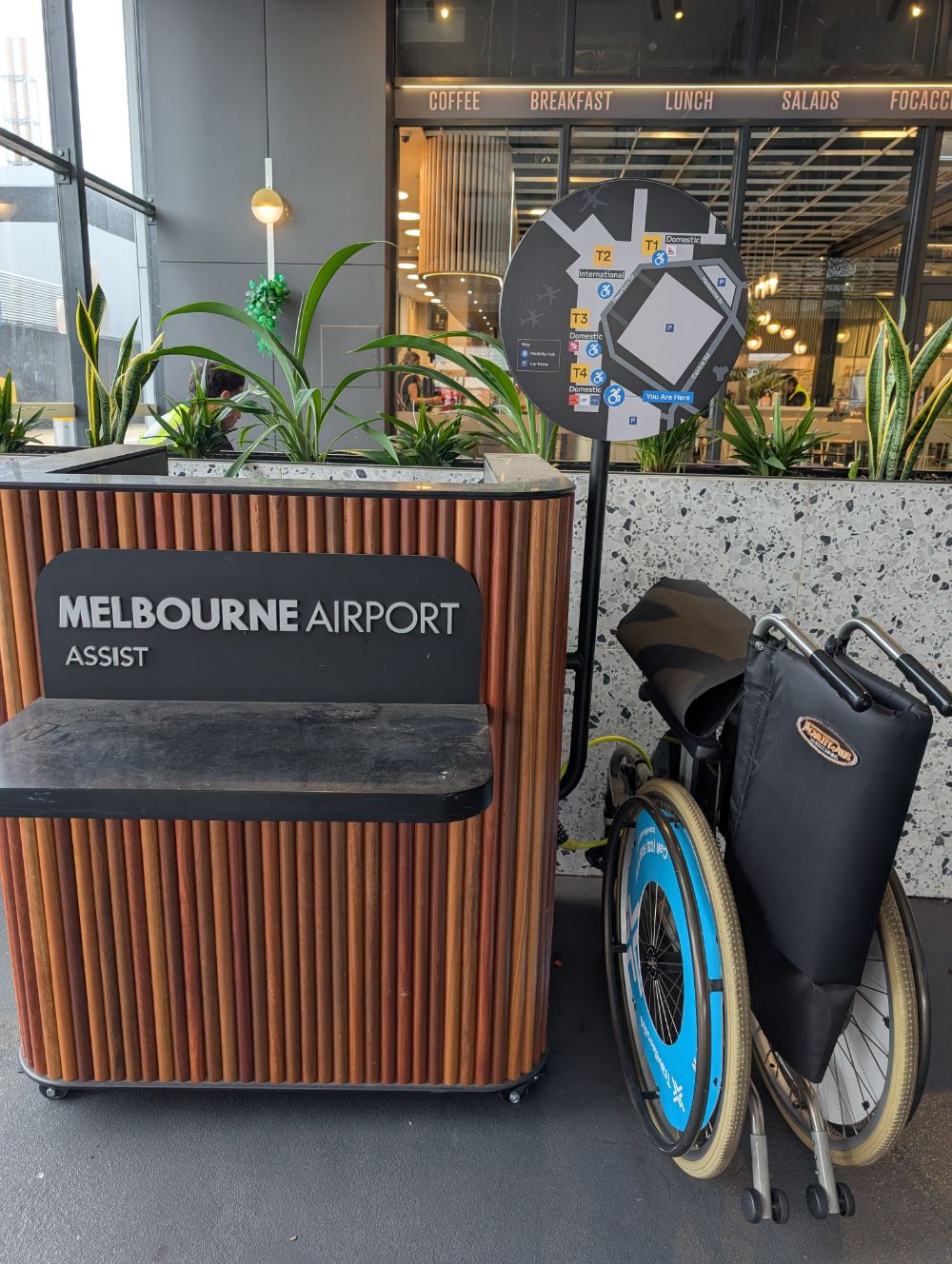
PARKROYAL Melbourne Airport is the most convenient, with direct access to the terminals. If you’re not even staying the night, the Refresh and Recharge option includes Wi-Fi, access to the pool, spa, gym, shower facilities, and discounts at Bar Airo. Details here.
Read about Nadine’s visit to PARKROYAL Melbourne Airport here.
Holiday Inn Melbourne Airport is also close by with a shuttle service, while Ibis Budget Melbourne Airport offers a simpler, budget-friendly option.
It’s one of those small decisions that can make a big difference—particularly if you prefer not to feel rushed.
Accessibility at Melbourne Airport
Support and help when you need it
This is where Melbourne Airport is making meaningful progress.
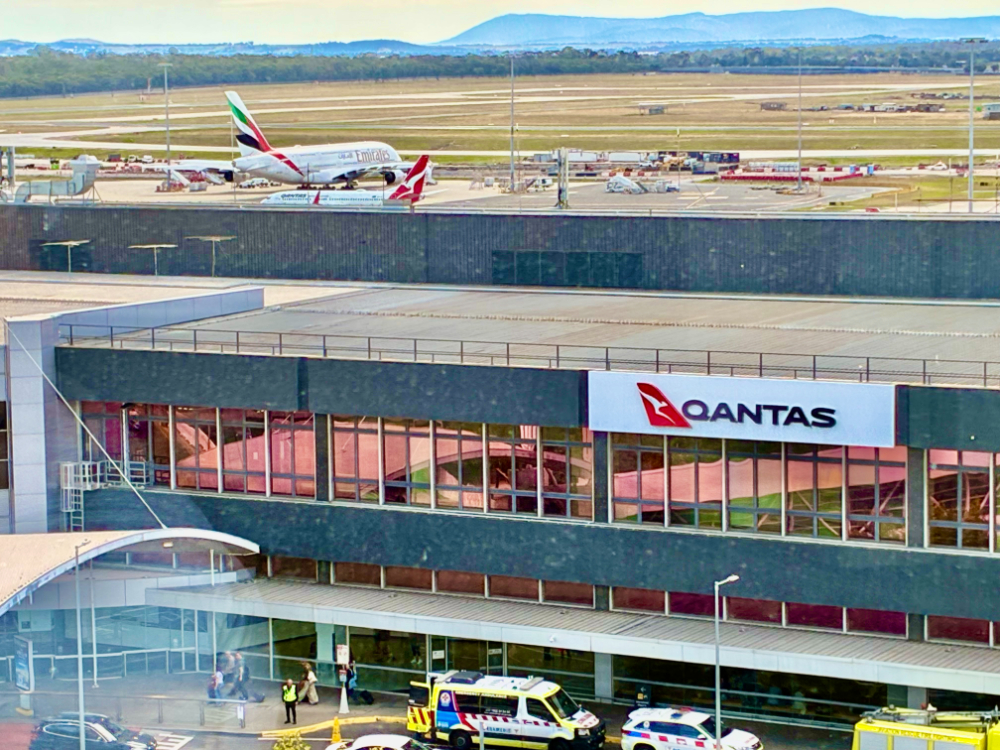
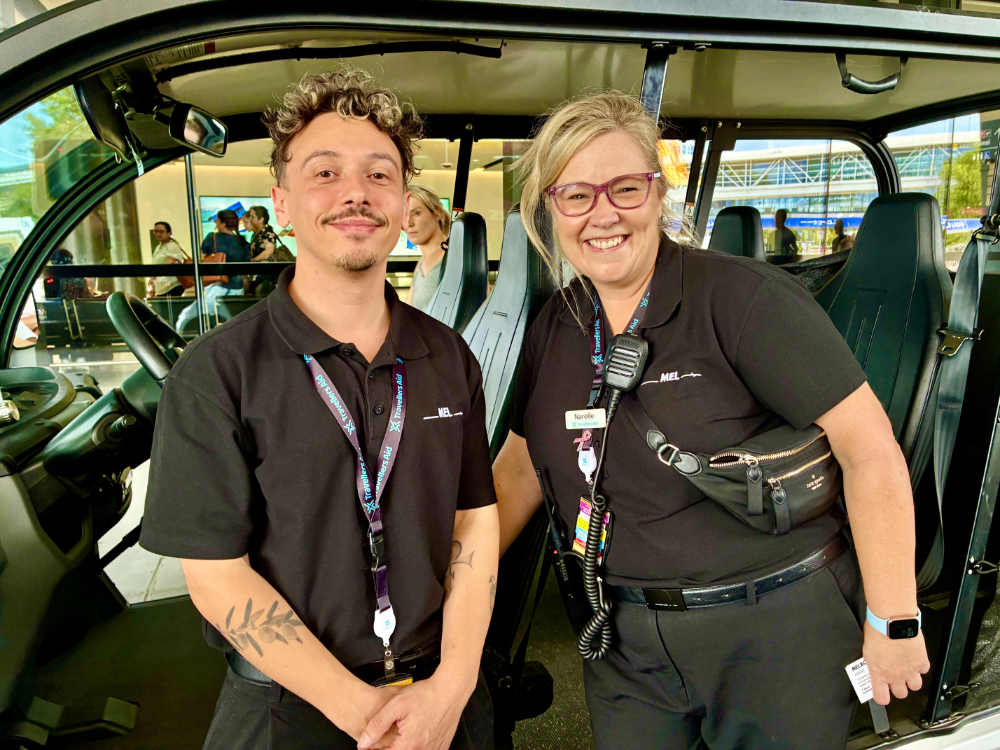
Travellers Aid has long provided support for travellers who need a bit of extra help, from mobility equipment to guided assistance through the terminal.
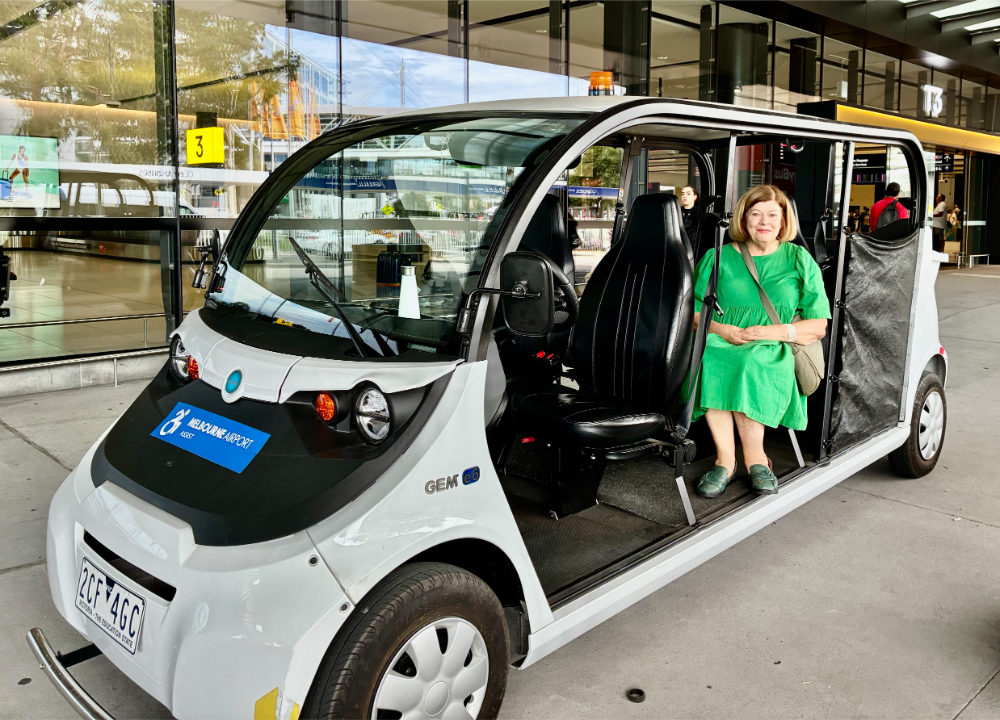
More recently, Melbourne Airport Assist has been introduced to take this further. Available daily from 6am to 10pm, it offers support from the kerb to check-in, through to your gate—or from the aircraft to the exit on arrival. It includes buggies, powered wheelchairs, and coordination with airline services.
It’s a thoughtful addition—and one that has already been recognised nationally as part of Melbourne Airport’s award for accessibility.
Importantly, this support isn’t just for those who can’t walk. As Nadine discovered, it can be just as helpful for anyone who finds long distances, queues, or standing for extended periods challenging.
Airports are getting bigger, and the physical demands can add up. Knowing support is there—even if you only need it for part of the journey—can make all the difference.
There’s also an Online Mobility Hub, allowing you to plan ahead and understand what’s available before you arrive.
For more information visit www.melbourneairport.com.au
Heading off on your own Melbourne adventures? Join our Facebook Group and share your stories, ask questions and connect with others for further inspiration.
This post contains affiliate links. At no extra cost to you, I may earn a small commission if you click on a link and make a purchase.