Accessible Sydney: 7 must-see attractions, minus the stairs
Planning a Sydney trip when stairs, distance or stamina are on your mind? Here’s a first-hand look at seven of Sydney’s biggest attractions, with the accessibility details and getting-there advice that actually matter.
When travel requires a little more planning
As we get older, we often plan journeys differently. It might be due to a bad knee, difficulty with stairs, using mobility aids, or simply not wanting to overdo it and spoil the rest of our holiday.
I’m aware of my limitations and usually work around them. Stairs are a challenge, but with a bannister, I’ll manage. A lift is even better. But I am not going to stop travelling. So when I visit a new place, in this case, it was Sydney, I plan ahead as carefully as I can.
Related reading: Getting around Sydney: an accessible transport guide for easier travel
My introduction to Sydney
It was one of travel’s terrifying moments. I’d spent the day travelling from Melbourne to Sydney by train. I knew hotels were expensive in Central Sydney. So I asked around and found a moderately priced option near Pymble Railway Station.
My interstate train was arriving at Central Station, so I only needed to catch another train to Pymble.
I’d recently had a hip replacement, so before booking, I’d checked the walking distance from the station to the hotel. Google Maps told me it was 290m: four minutes on flat ground. Relieved, I focused on getting to Sydney rather than those last few steps.
I arrived at Pymble Station after 10 pm. There was an unsavoury guy in my train carriage, and when I disembarked, he suddenly jumped off as well. We were the only two people on the platform.
I beelined for the nearest exit, not pausing to check my next steps as I normally would.
Outside, it was dark and teeming with rain. Flash floods were predicted.
I’d packed light but still had my computer in my backpack, wheeled a suitcase whilst balancing an open umbrella.
I saw the neon sign of a pizza shop and decided to ask for directions rather than fumble for them on my phone in the rain.
The guys behind the counter looked vacant when I asked how to get to the Pymble Nightcap.
But a customer piped up, “It’s just down there and across the road.”
I glanced at the road, with its streams of hurtling traffic.
“How do I cross the road?” I asked.
“Carefully,” he said, smirking at his witticism.
I walked until I stood directly opposite the hotel. I could see its Art Deco facade and cheerful lights.
All that stood between me and sanctuary was six lanes of heavy traffic and drivers struggling with visibility.
It was like that scene in the 1972 movie Papillon when Steve McQueen plots his escape from Devil’s Island. He studies the waves for months, unlocking their pattern. He noted that every seventh wave carried objects out to sea instead of crashing them against the island’s rocky cliffs. Useful knowledge to have before throwing oneself off a cliff.
I felt like Papillon studying the traffic. Except I had waves of cars, their headlights jostling and water sloshing beneath their tyres. There was no pedestrian crossing. And even if drivers caught me in their beams, it would be difficult for them to slow down. And if I slipped on the drenched asphalt, I was gone.
When I saw the first break, I took a huge breath and hobbled across three lanes, dragging my suitcase and trying to keep dry under the umbrella.
I wasn’t hit by a car, but by a realisation: if I could step out onto that road and survive, I could achieve anything in life.
At the halfway median strip, I balanced precariously, waiting for the next traffic break to brave the other three lanes.
I made it, albeit visibly shaken and drenched. I explained my appearance to the lady at check-in.
“You poor thing,” she said. “You realise you just crossed the Pacific Highway. You should’ve phoned; someone would have ducked under to get you.”
“Under?” I said.
“Yes, they should have told you in the pizza shop that there’s an underpass under the highway.”
Lesson learned. Despite the rain, unfamiliar surroundings and a man acting strangely, I should have kept my wits about me.
Which is why, when I visited some of Sydney’s must-see attractions, I looked at them differently and considered how I could maximise accessibility at each one.
1. Sydney Harbour Bridge
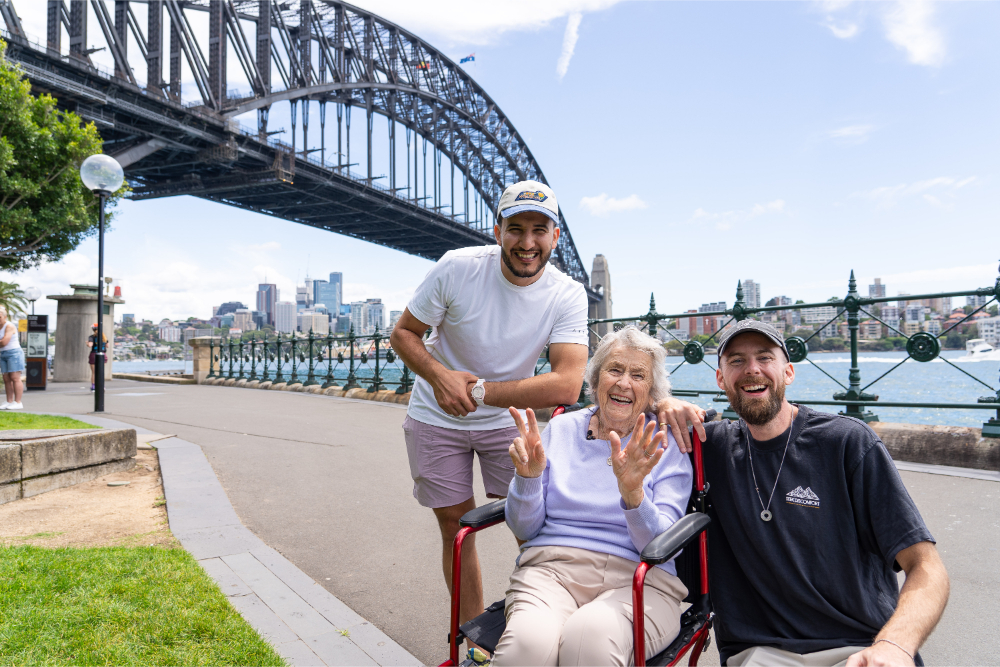
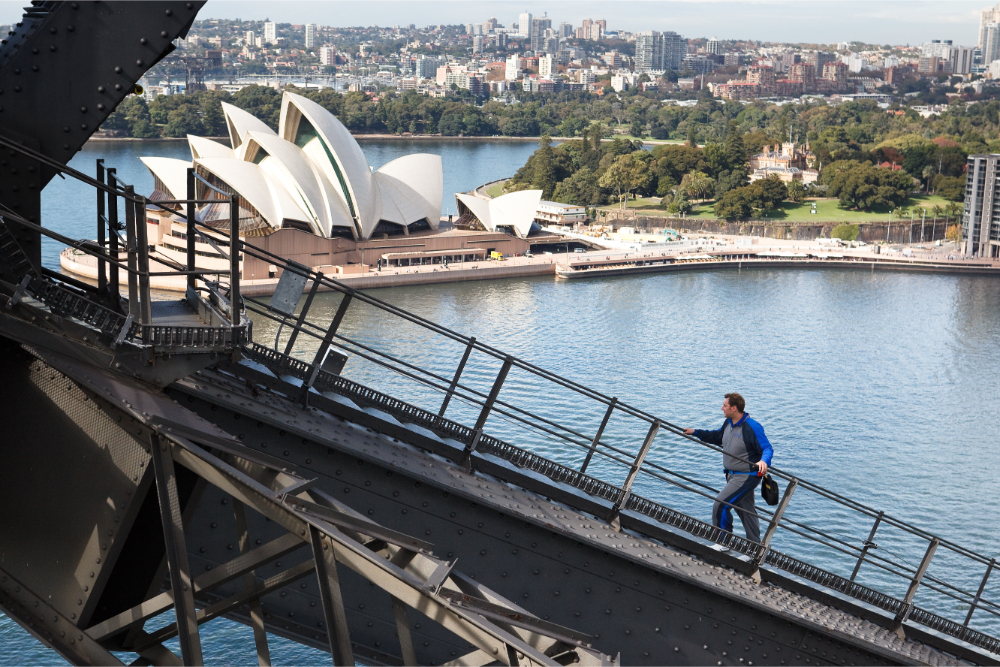
No need to stare at the iconic Sydney Harbour Bridge from afar; there’s an accessible walk across the bridge.
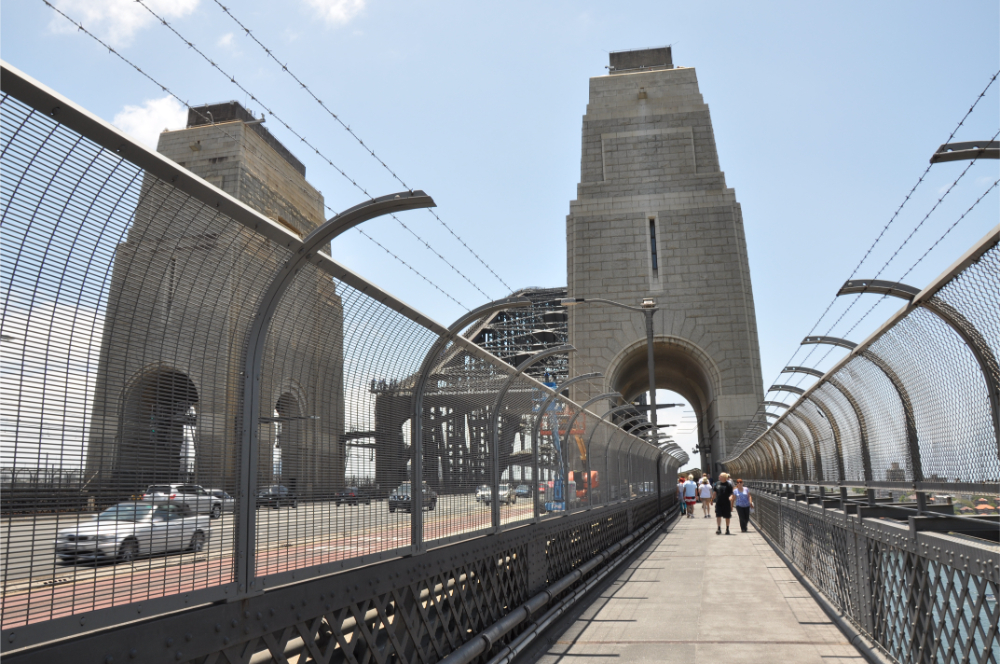
The 1.6-km eastern pedestrian flat and wide walkway takes 15 to 30 minutes each way and offers incredible views of the Harbour, the Sydney Opera House and Sydney’s skyline.
Looking downwards, I could see the ferries departing from Circular Quay, their white wakes trailing behind like comet tails.
Expect noise from the heavy traffic beside you, the rumble of passing trains, and the rush of wind. High safety fences separate walkers from the vehicles. Wearing headphones helps curb the noise.
Taking photos is possible through the steel safety mesh, which has small gaps. Wheelchair users would find some views blocked by the safety rails.
Meanwhile, up above
I’ll pass on this one. But I realise many seniors consider the BridgeClimb, especially if their family is doing it. Be aware that this is a very different experience from the flat pedestrian walkway.
There is no age limit preventing seniors from doing the BridgeClimb. Lloyd Poulton celebrated his 87th birthday with his 87th climb of the Sydney Harbour Bridge, and in 1999, Mrs Chris Muller reached the summit on her 100th birthday, climbing with her grandson and fulfilling her lifelong ambition. She had watched the bridge open in 1932. At 100, she stood at its summit with the world at her feet.
You need a general level of health and fitness, as well as the ability to climb stairs independently. Well over a thousand of them!
If you are 75 or older, BridgeClimb requires you to provide a Certificate of Fitness signed by a doctor.
BridgeClimb is at 3 Cumberland Street in The Rocks, a short distance from Circular Quay. If you have mobility or other accessibility needs, contact BridgeClimb before booking. They assess individual needs and can discuss whether the experience can be completed safely.
BridgeClimb accessibility information Bridge Climb health and safety requirements
Accessibility — pedestrian walk
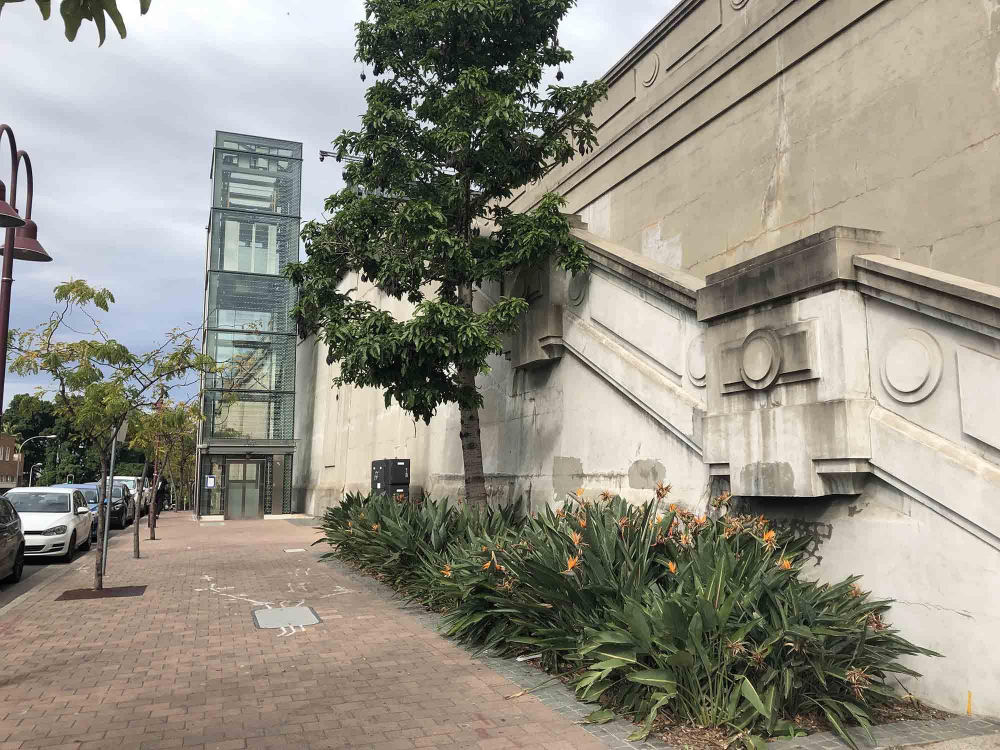
The pedestrian walkway is the easier option. And it is still an adventure. Step-free access is available via glass elevators at both the southern end, on Cumberland Street in The Rocks, and the northern end, at Milsons Point/Kirribilli.
Getting there — pedestrian walk
Southern end: Cumberland Street The Cumberland Street Lift is at 100 Cumberland St, The Rocks. Take a train, ferry, bus or light rail to Circular Quay Station. From the wharf, it is roughly an 8-to-10-minute walk to the lift. To avoid the steep hills of The Rocks, take the public elevator inside the Circular Quay terminal to the Cahill Walk, which connects step-free to the main Harbour Bridge entrance. There is an accessible drop-off zone and limited ticketed street parking on Cumberland Street.
Northern end: Milsons Point The Broughton Street Lift is the easiest and most direct northern route, with the least walking required from public transport. It is at the intersection of Broughton Street and Burton Street in Kirribilli, next to the pedestrian tunnel. Take the train to Milsons Point Station and use the Ennis Road exit, which has ramped access. From there, it is a flat 150-metre walk to the lift. Alternatively, Milsons Point Ferry Wharf is a 10-minute uphill walk. There is a dedicated accessible parking bay directly opposite the lift on Broughton Street.
2. Sydney Opera House
The Sydney Opera House is a must-see. So, thankfully, it’s impossible to miss with its sail-like silhouette and real estate agent’s dream position on Bennelong Point.
At first glance, the entrance looks daunting, given the Monumental Steps leading up to it. These lack a central handrail. But fear not and read on.
The Sydney Opera House does have a public lift on the Harbour Bridge side of the building. This connects the three main levels: from the Lower Concourse to the Box Office levels. So it is quite possible to enter and view its soaring foyers and harbour views.
Because the Sydney Opera House is a UNESCO World Heritage site, adding an exterior handrail and addressing other accessibility challenges have required careful scrutiny. This has made structural updates a complex process.
While changes have taken time to implement, the venue now offers a step-free Mobility Access Tour. This is designed specifically for guests unable to navigate the 300 steps included in standard tours.
These tours are for anyone with mobility restrictions, not just those in wheelchairs.
Given that these 60-minute guided tours run twice daily (11.30 am and 2.45 pm), there is obviously a huge need for them.
Book the Sydney Opera House Mobility Access Tour
To attend a production, check the particular theatre’s accessibility when booking.
Sydney Opera House Accessible Performances
Accessibility
Accessible parking is available at nearby Wilson’s Parking or on the Concourse near the Stage Door.
There is a free, accessible shuttle bus that runs from Circular Quay to the street-level entrance of the Sydney Opera House’s Western foyer (with lift access inside). Pick-up at the pedestrian concourse beneath the Cahill Expressway. Check the Access Guide for times.
Sydney Opera House Accessibility and Access Guide
An accessible buggy service operates for certain productions.
Sydney Opera House Mobility and Accessible Buggy Information
Getting there
The Sydney Opera House is 500m, a six-minute walk from Circular Quay’s transport hub, serviced by ferries, buses and trains.
3. Royal Botanic Garden Sydney
You could easily spend half a day wandering around the Royal Botanic Garden, Sydney, but you don’t have to. Even a shorter visit gives you one of Sydney’s best combinations of gardens, harbour views and history.
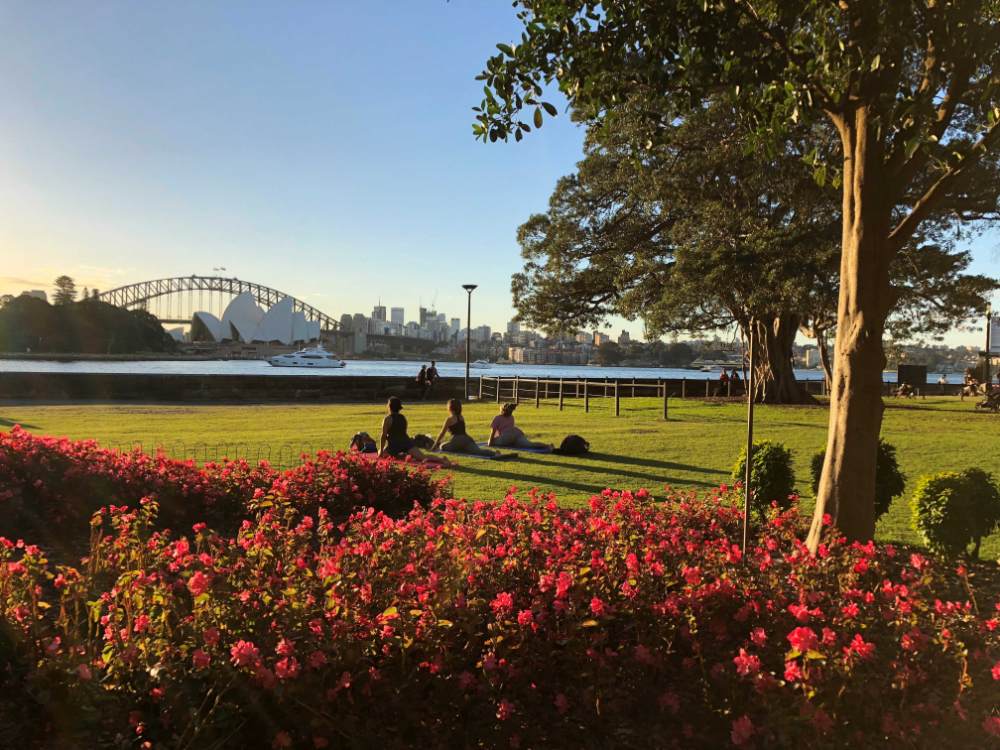
The big drawcard is the location. From the gardens, you have an uninterrupted view across the harbour to both the Sydney Opera House and the Harbour Bridge. In a city of many views, this is one of the most spectacular.
There’s more to experience than the view. The Calyx is a striking glasshouse and exhibition space, with a living wall containing more than 18,000 tropical plants. The Cadi Jam Ora trail provides an introduction to the history and culture of the Gadigal people, the Traditional Custodians of the land.
All worth seeing are the Palace Rose Garden, Herb Garden and Succulent Garden, each with a different character.
Accessibility
This is one of the more easily accessible attractions in Sydney.
Most of the main pathways are wide, sealed and step-free, making them suitable for wheelchairs, walkers and other mobility aids. The gardens do slope towards the harbour, so there are some inclines in the inner sections, but the flatter waterfront route is a good option.
There are stairs, but step-free alternatives are available.
The Queen Elizabeth II Gate, reached from the Opera House forecourt, and the Morshead Fountain Gate on Macquarie Street provide step-free entry.
Free manual wheelchairs are available from Reception or The Calyx, although booking ahead is recommended. Call 02 9231 8111.
Getting there
Circular Quay, Martin Place and St James stations are all within walking distance of the gardens. Accessible buses also operate along Art Gallery Road.
Accessible parking spaces are available on Mrs Macquarie’s Road near the Woolloomooloo Gate and near the Art Gallery of NSW.
4. Taronga Zoo
I visited Taronga Zoo on a different trip when I had family visiting from overseas. As I rarely see my grandson, I booked a stay to make his 8th birthday memorable.
The luxurious Wildlife Resort, with its included zoo entry and incredible views of Sydney Harbour, offered a top-notch experience. As my grandson said, “Fancy!”
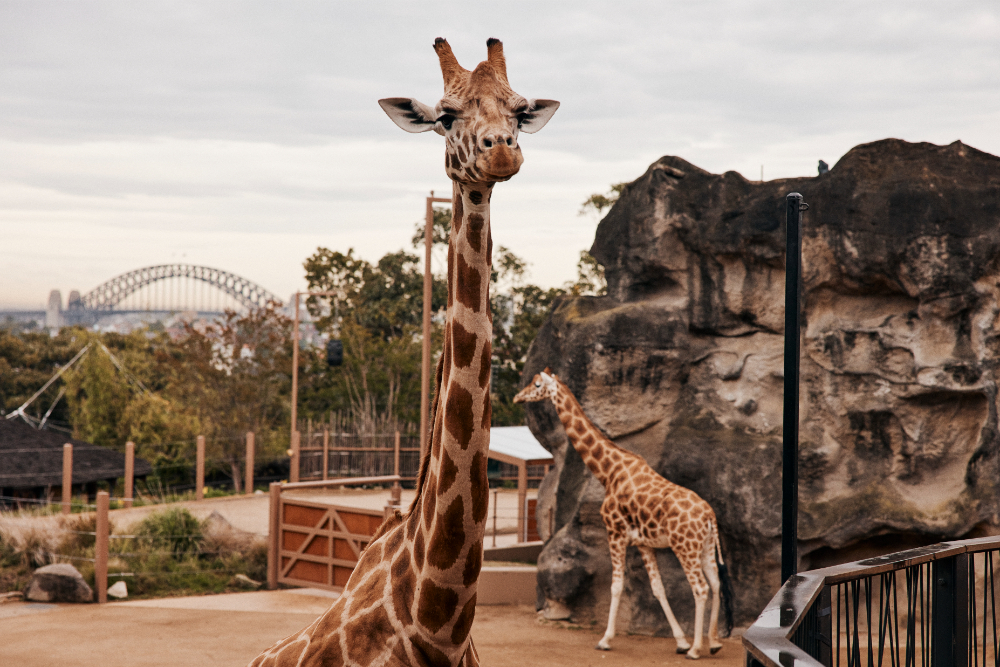
Alternatively, you can also visit the zoo for the day. Some of the rarer exhibits include Sumatran Tigers and Red Pandas. But another reason to visit this Sydney landmark is the inspiring harbour views.
Views often come with the penalty of a hill climb, but there are ways to avoid doing it tough.
The zoo has two entrances. The lower one is when you first arrive at the zoo via the F2 ferry. This entrance is a three-minute walk away.
Do not use this entrance unless you like climbing hills. There is another entrance at the top of the zoo near the Wildlife Retreat.
The trick is that the local bus #238 picks up ferry passengers and drops them off at the main entrance at the top of the hill as part of its route. Catch that, and you get dropped at the top; all walking is downhill back to the ferry.
The paths are wide and accessible. Allow around three hours to explore the zoo at a steady pace, or shorten your visit by choosing only your must-see attractions. Seals for the Wild at 11 am or 2 pm near the exit is a presentation not to be missed.
An Accessibility Map distinguishes between steep routes and gentle inclines and pinpoints step-saving escalators and lifts.
Accessibility
Wheelchairs are free of charge with a refundable deposit. And mobility scooters cost $80 a day.
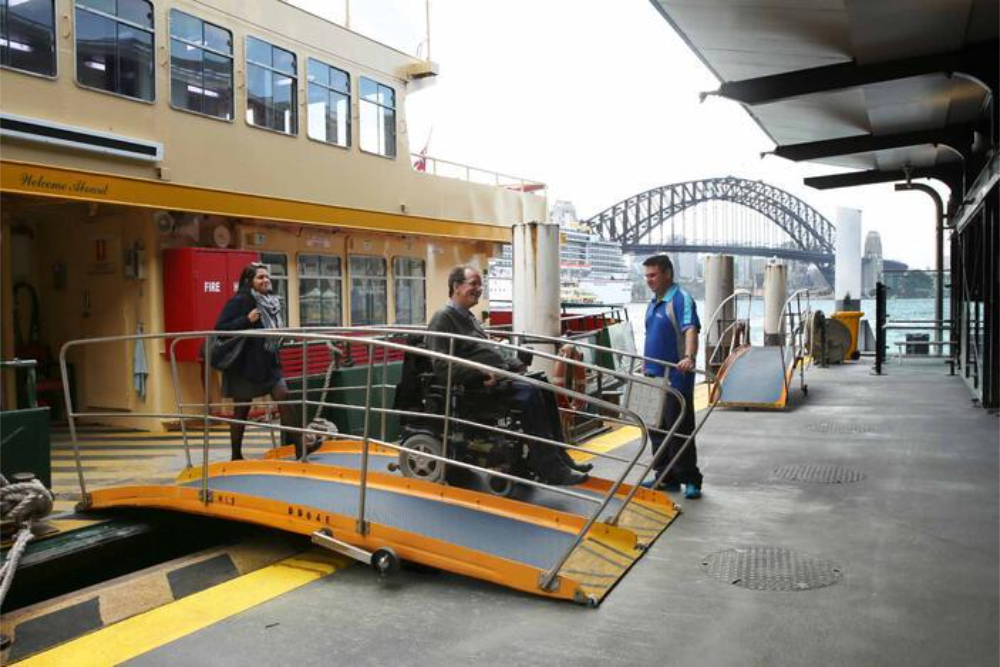
Accessible parking is at the top entrance. The F2 ferry and Taronga Zoo wharf are wheelchair accessible, with ramps for boarding. The 238 bus route uses low-floor, wheelchair-accessible buses with automated ramps, space for mobility aids, and priority seating.
Getting there
To get to Taronga Zoo Sydney from the Sydney CBD, take a 12-minute F2 Ferry from Circular Quay Wharf 4 to Taronga Zoo Wharf. Don’t forget that tip about catching the 238 bus to the top entrance.
Or catch the direct Route 100 bus from the Queen Victoria Building (QVB) on York Street, which takes about 30 minutes.
5. Barangaroo
If you think Sydney’s big attractions are all about the Opera House, Harbour Bridge and old sandstone buildings, Barangaroo is something different.
For more than 180 years, this was a working waterfront and container terminal. Now the old industrial site has become a place for the people, with parkland, restaurants, shops and harbourside walking paths.
It is also where Sydney’s past and present meet. Barangaroo was a Cammeraygal woman who lived around Sydney Harbour at the time of European settlement, and the precinct bears her name.
The harbour views are reason enough to visit. Wulugul Walk follows the waterfront, with the Harbour Bridge and city skyline as its backdrop. You can wander beside the water, sit and watch the ferries or continue towards the Harbour Bridge and Circular Quay.
Barangaroo Reserve opened in 2015, with more than 75,000 native trees and shrubs planted across the site. Thousands of pieces of sandstone excavated during construction were reused in the reserve, creating an unusual mix of native vegetation, enormous sandstone blocks and the modern city rising behind it.
Eating at Barangaroo
The restaurants, cafés and shops also make Barangaroo a good place for a leisurely outing. The retail and dining precinct has step-free access to its restaurants, cafés and shops, so there are no stairs to negotiate just to get inside.
There are plenty of choices, from casual food to restaurants where lunch can be part of the outing. You don’t have to walk until you drop. You can make the outing as energetic or as relaxed as you like.
Accessibility
The waterfront Wulugul Walk is relatively level and wide, so it’s the easiest part of Barangaroo. The northern end provides stair-free access to Waranara Terrace and Stargazer Lawn, while lifts connect the Reserve’s different levels.
But don’t assume that because the waterfront is flat, all of Barangaroo is. Wheelchair users entering from Towns Place should be aware of a 30-metre brick-cobbled section before the surface becomes completely smooth.
The Accessibility Map shows the easy, moderate and steep routes, as well as the lifts and stairs.
Wilson operates a car park beneath Barangaroo Reserve, with eight accessible parking spaces on level B1. The car park is accessed via Towns Place.
Getting there
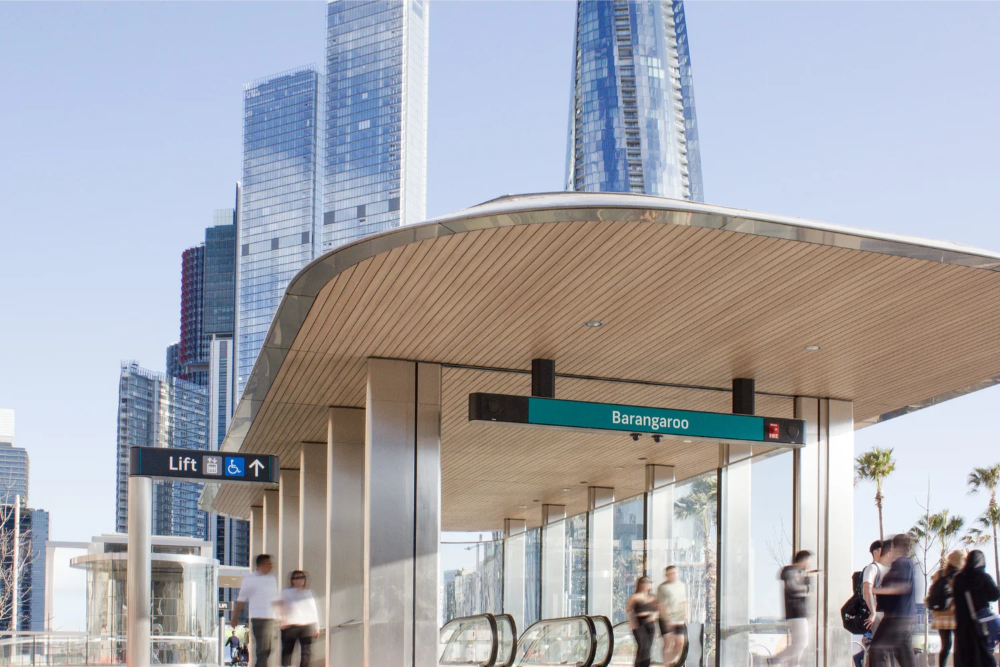
Barangaroo has its own Metro station at Nawi Cove, about six minutes from Central Station. The station is fully accessible by lift.
For the restaurants, cafés and shops, Wynyard Station is the easiest option. Follow the signs for Exit 4 and take the Wynyard Walk tunnel to Napoleon Plaza, then cross the Sussex Street Bridge. Lifts and escalators provide step-free access along the route.
Ferries are another good option. The F3 and F4 stop at Barangaroo Wharf, which puts you directly onto Wulugul Walk beside the dining precinct. From there, it is about a 10-to-15-minute walk north to Barangaroo Reserve.
For the Reserve, buses 311, 324, and 325 stop on Hickson Road near Towns Place. There are also two accessible street parking bays nearby, and the car park beneath the Reserve has eight accessible spaces.
6. Art Gallery of NSW
The Art Gallery of NSW is one of Sydney’s chief attractions, with two very different buildings to explore. The historic Art Gallery houses Australian and international collections in its grand old courts, while Sydney Modern, which opened in 2022, offers large contemporary spaces.
If you are visiting for the first time, don’t miss Grace Cossington Smith’s The curve of the bridge, John Olsen’s Five bells and Brett Whiteley’s Woman in bath. For one of the Gallery’s major international works, find Cézanne’s Bords de la Marne.
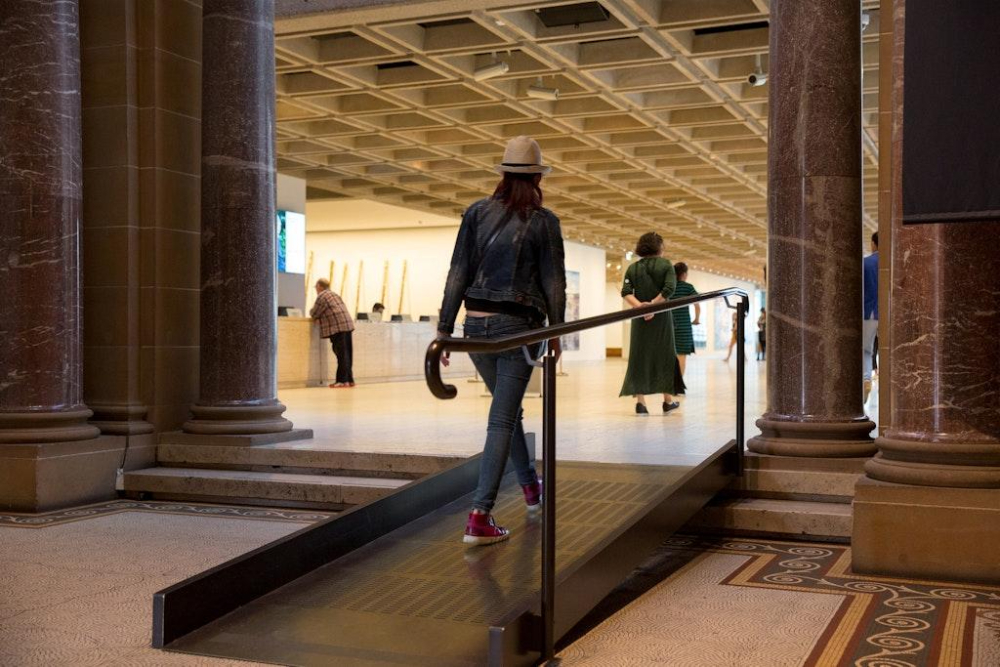
The good news for visitors who don’t walk easily is that all areas of the Gallery are physically accessible, with wheelchairs, mobility scooters and other facilities available to help you enjoy the collection.
Gallery entrance is free, although some special exhibitions require a ticket.
Accessibility
Mobility scooters and wheelchairs are available to borrow if you struggle with the distances involved in a large gallery.
For those with low vision, the Gallery provides visual aids, including magnifying glasses, which are free to borrow at exhibition entries. The Gallery also offers ways to experience artworks through audio, tactile and other sensory programs.
There are also hearing loops in some spaces.
Getting there
The Gallery is on Art Gallery Road in the Domain. The 441 bus runs from the Queen Victoria Building and stops near the Gallery. St James and Martin Place stations are also within walking distance.
There is a drop-off and pick-up area on Art Gallery Road and accessible parking near the Gallery.
7. Queen Victoria Building
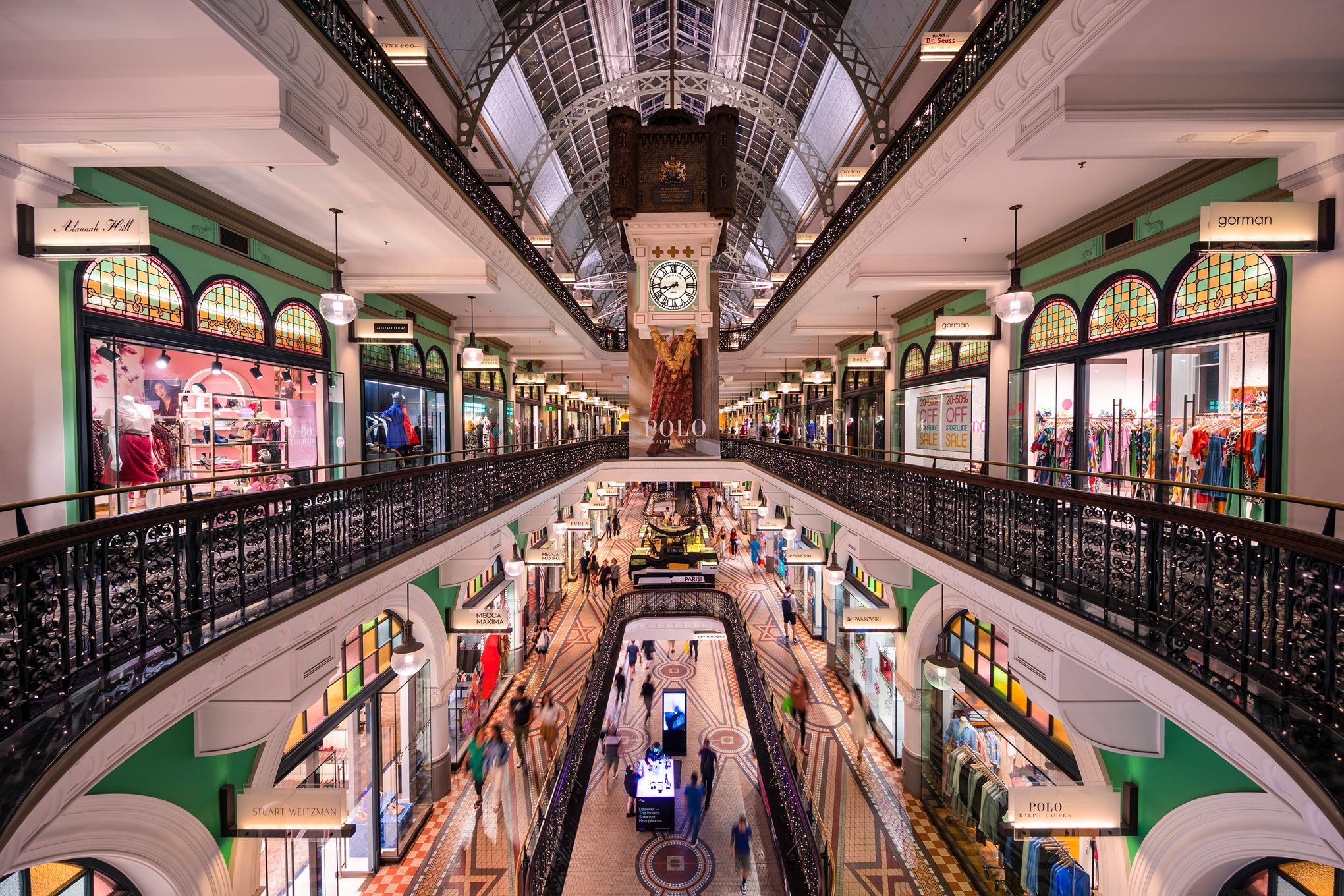
The Queen Victoria Building in central Sydney is impossible to miss. Its domes, stained glass and elaborate Romanesque interiors make it one of Sydney’s most impressive heritage buildings.
The QVB was built during a severe economic depression, when work was hard to find. Its construction also provided employment for skilled craftsmen, including stonemasons, plasterers, stained-glass makers and other tradespeople. Their handiwork is still visible in the carved stonework, decorative plaster, stained glass and tiled floors.
The building opened in 1898 as the Queen Victoria Markets, filling an entire city block with shops, offices, a concert hall, coffee rooms and markets. It fell into disrepair over the years and was threatened with demolition between 1959 and 1971, before a campaign saved it. After restoration, it reopened in 1986.
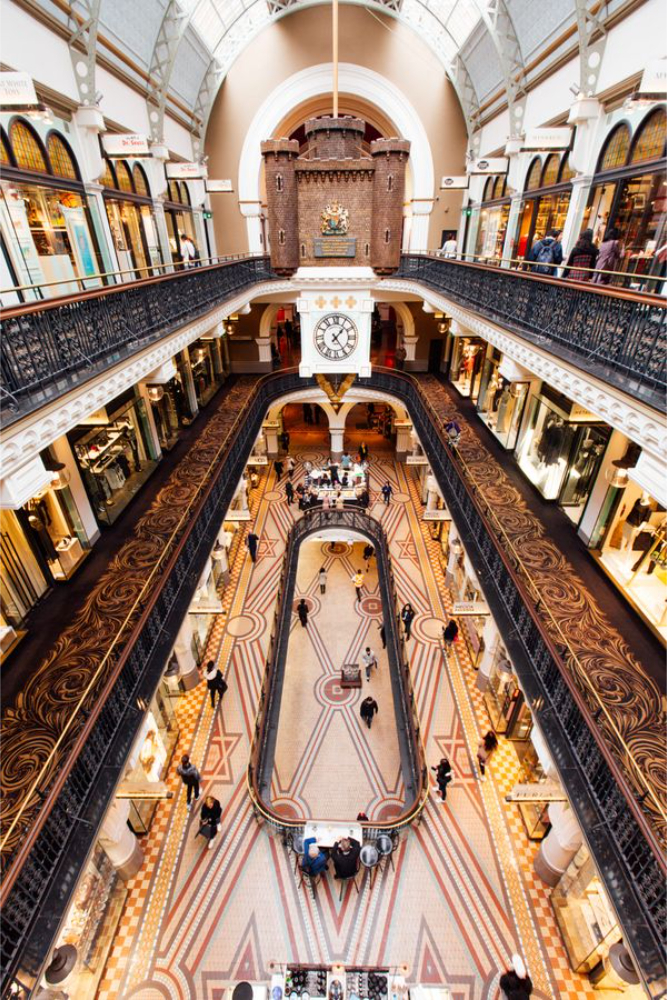
The enormous central dome, stained-glass windows, decorative tiles and balconies make the interior feel more like a grand public building than a shopping complex.
There are cafés, restaurants and shops across several levels, so it is an easy place to combine sightseeing with coffee or lunch.
There is also an accessibility story hiding in the building’s history. The original QVB lifts were hydraulic, powered by water from a pumping station in Pier Street. Today, the restored cage lifts operate alongside modern lifts and escalators.
To learn more about the grand dame’s history, the 60-minute QVB History Tour is fully accessible. Contact the Guest Experience team if you will be using a wheelchair.
Accessibility
For anyone who doesn’t manage stairs easily, modern lifts are located at the north and south ends and in the centre, providing access to all floors.
Getting there
The QVB at 455 George Street is directly opposite Town Hall in the centre of Sydney, making it easy to combine with other city attractions.
Town Hall is served by trains and light rail, and buses operate along George Street and nearby streets.
If driving, the QVB has a car park beneath it, accessible from York and Market Streets.
Planning the rest of your trip
For the practicalities — accessible toilets, trains, ferries, buses, light rail, taxis and Ubers, plus more accessibility maps for The Rocks, Circular Quay, Bondi and Manly — see our other guide, Getting Around Sydney: An Accessible Transport Guide.
Heading off on your own Melbourne adventures? Join our Facebook Group and share your stories, ask questions and connect with others for further inspiration.